What is PV fabric made of?
The P stands for polyester and the V for viscose. Polyester is a synthetic fibre. Viscose belongs to the regenerated cellulosic family and is commonly made from wood pulp. Textile Exchange explains these fibre groups in its polyester overview and manmade cellulosics guide.
“PV cloth”, “poly-viscose” and “polyester-viscose fabric” describe the same broad blend category. A label such as 65% polyester / 35% viscose describes a particular composition, not a rule for every PV fabric. Ask for the percentages for the quality you are actually buying.
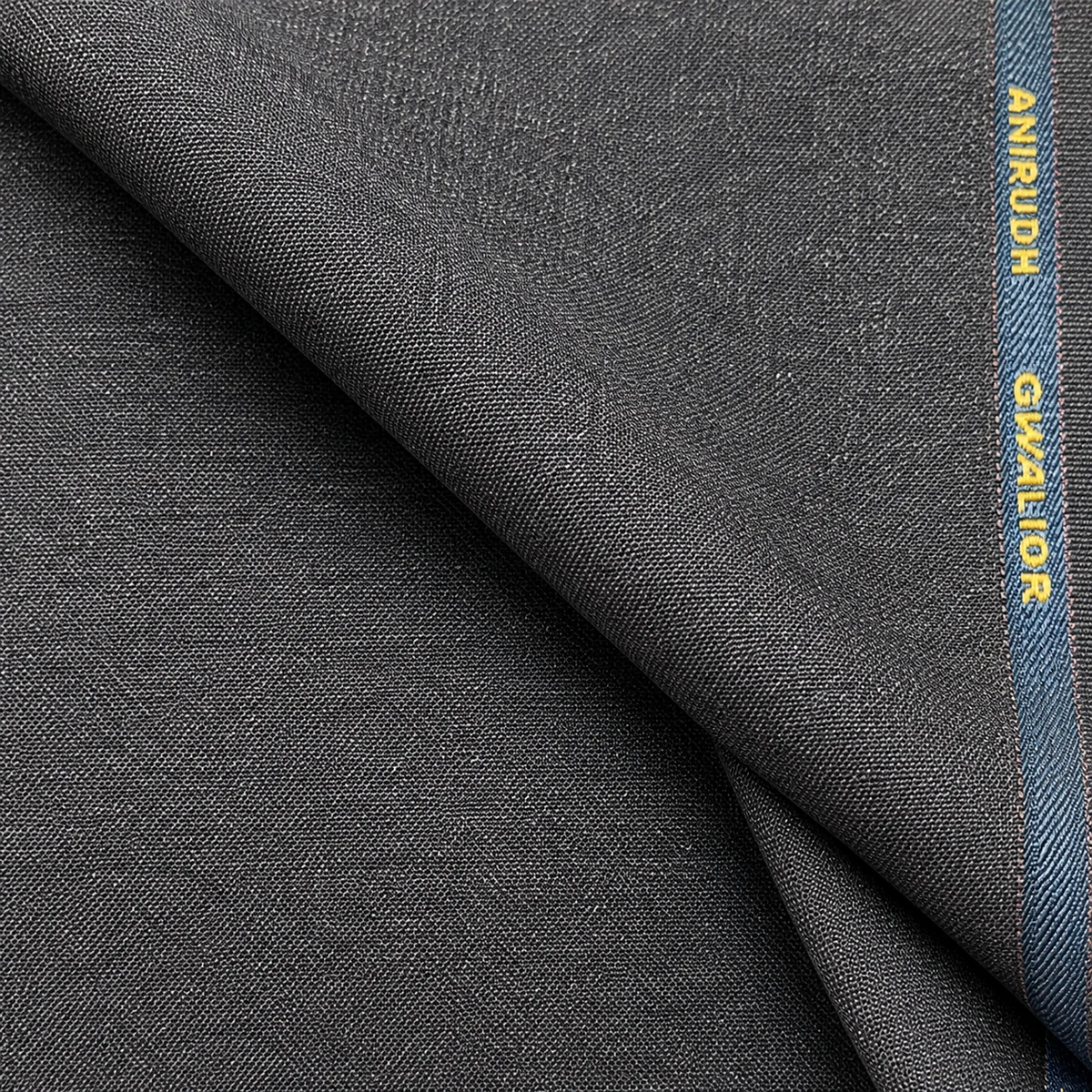
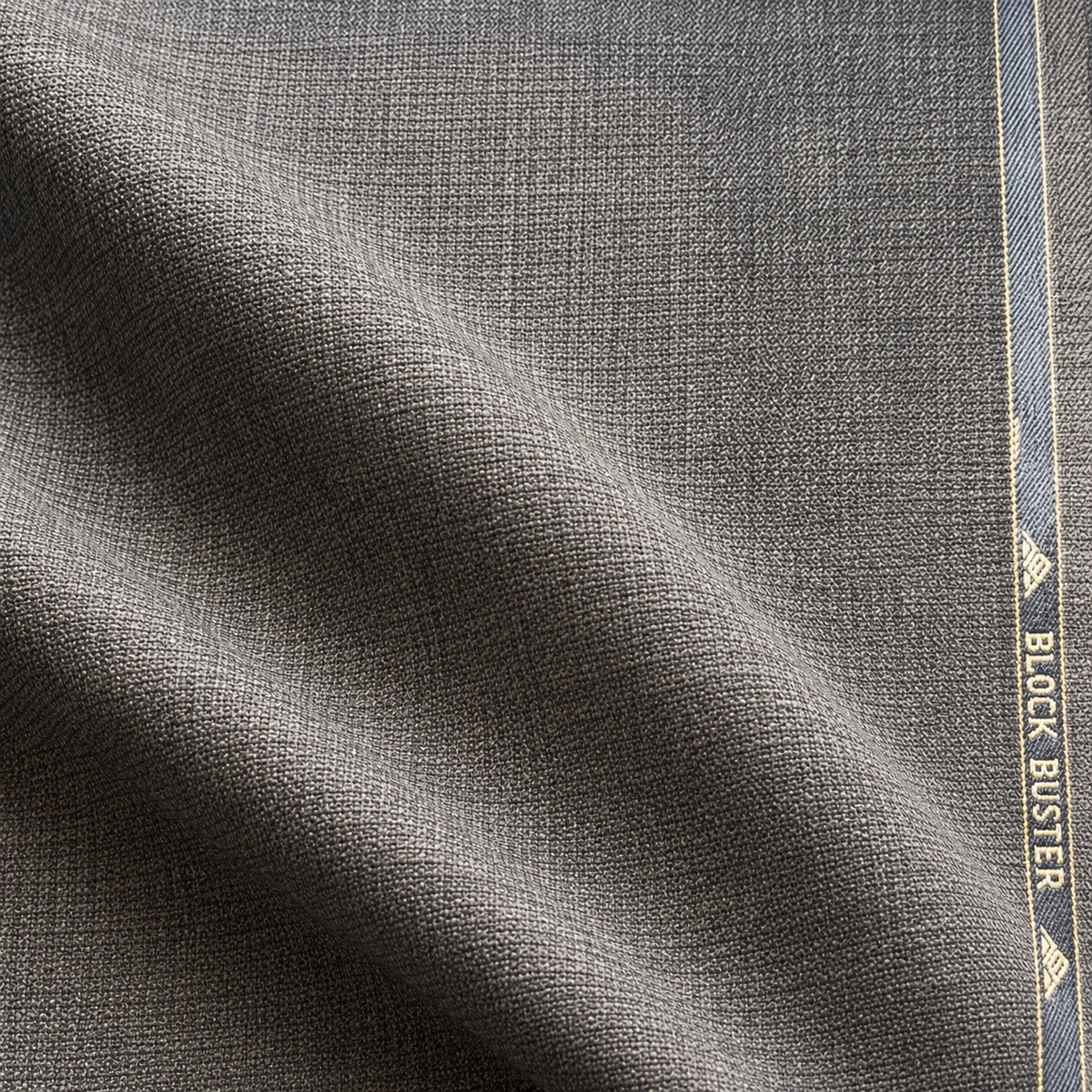
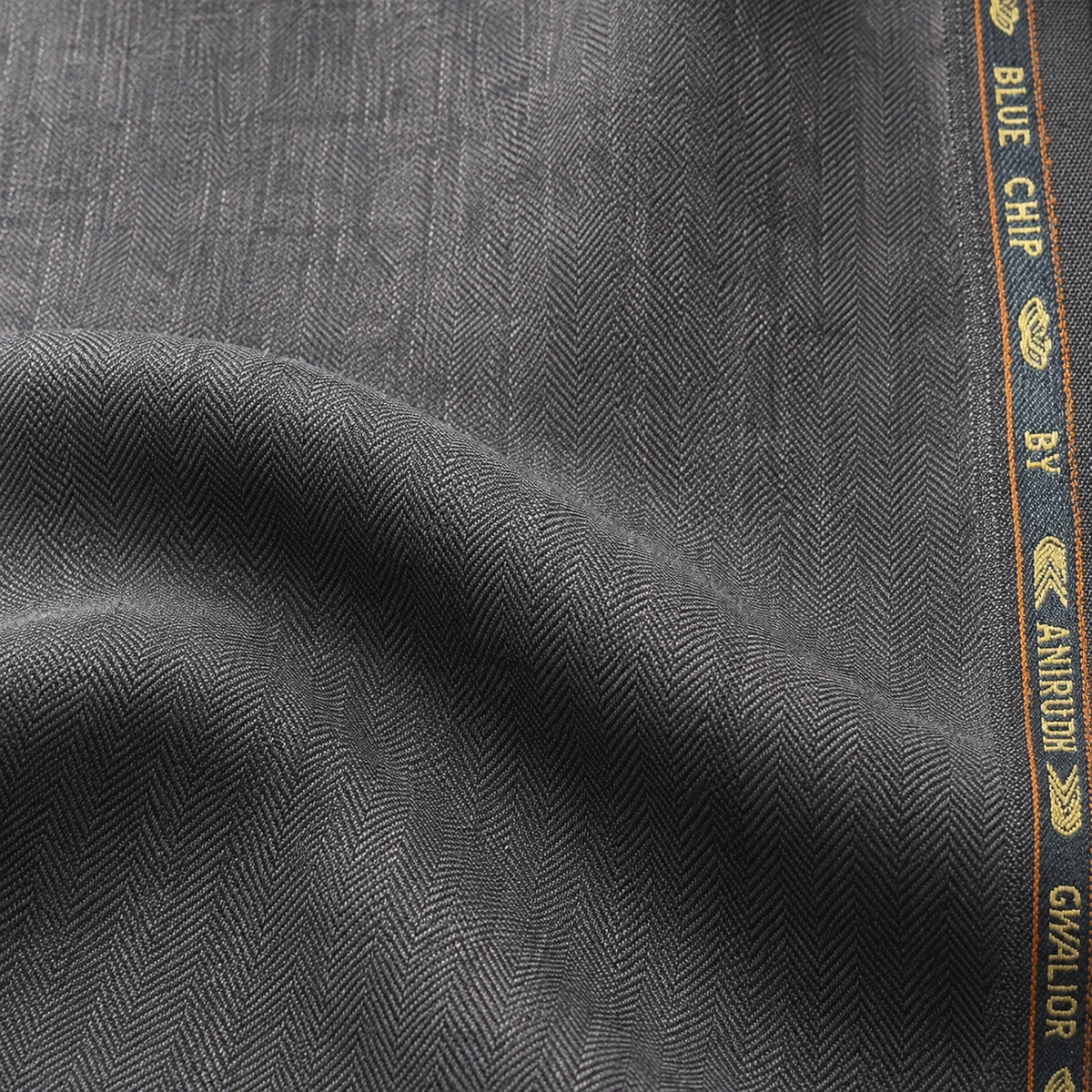
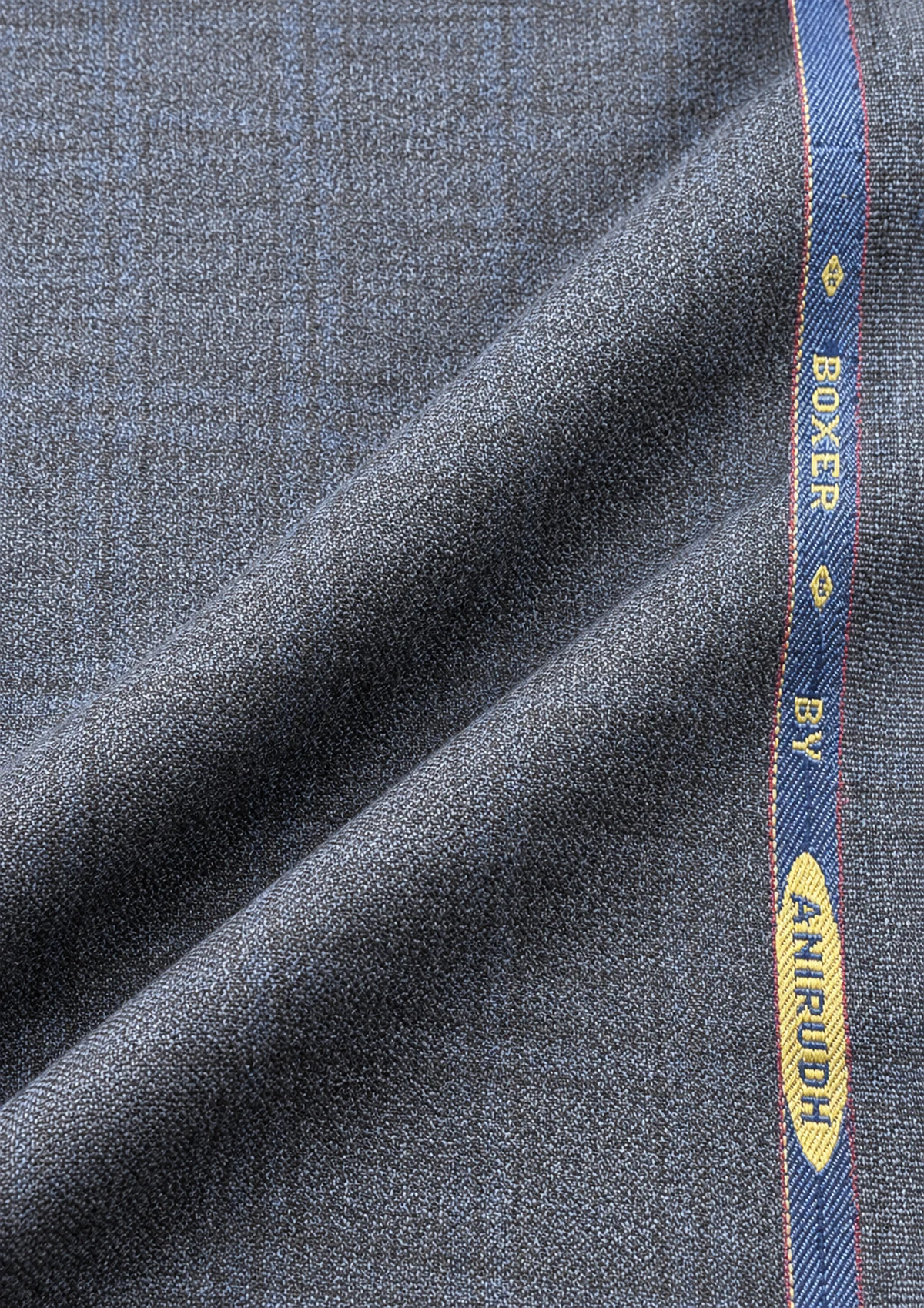
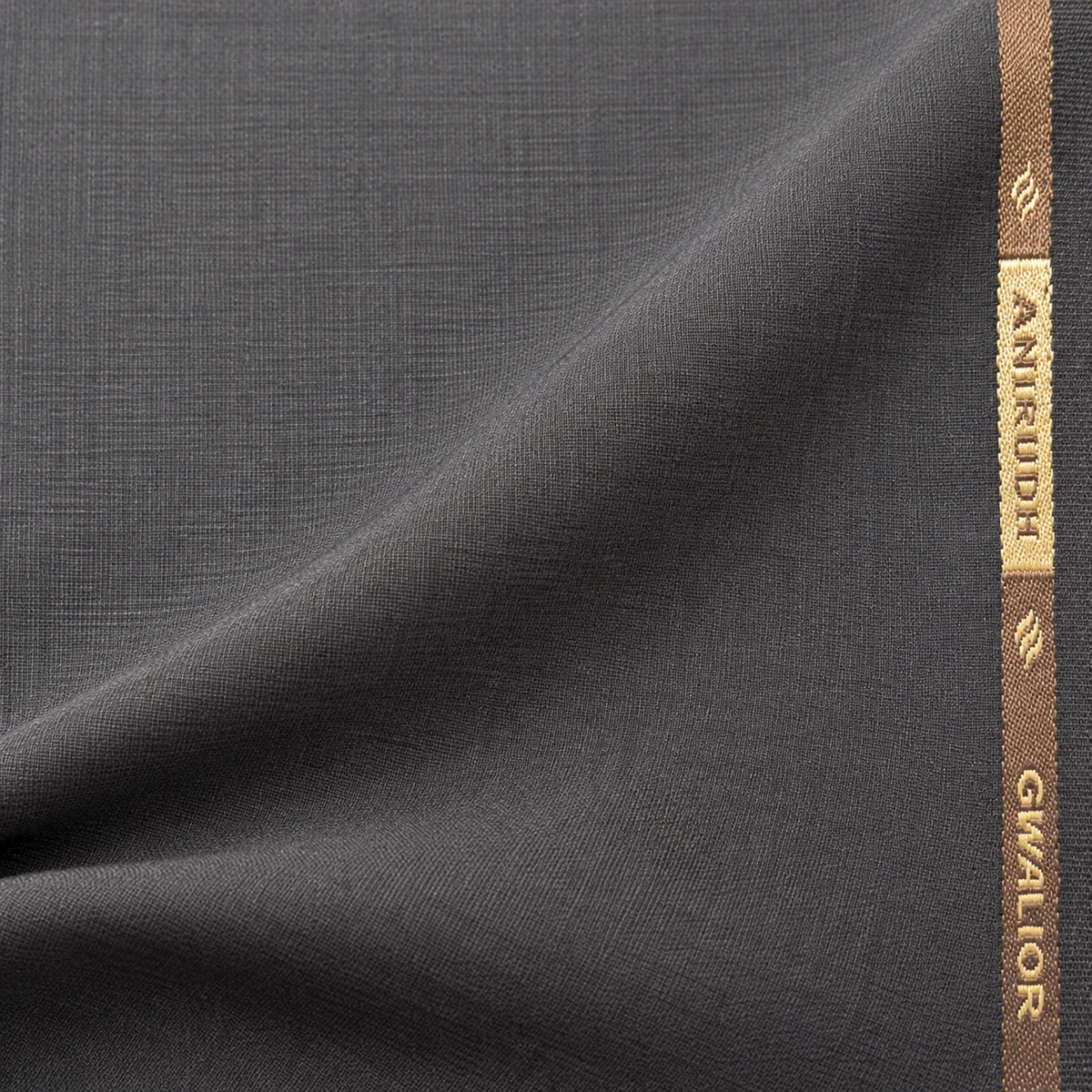
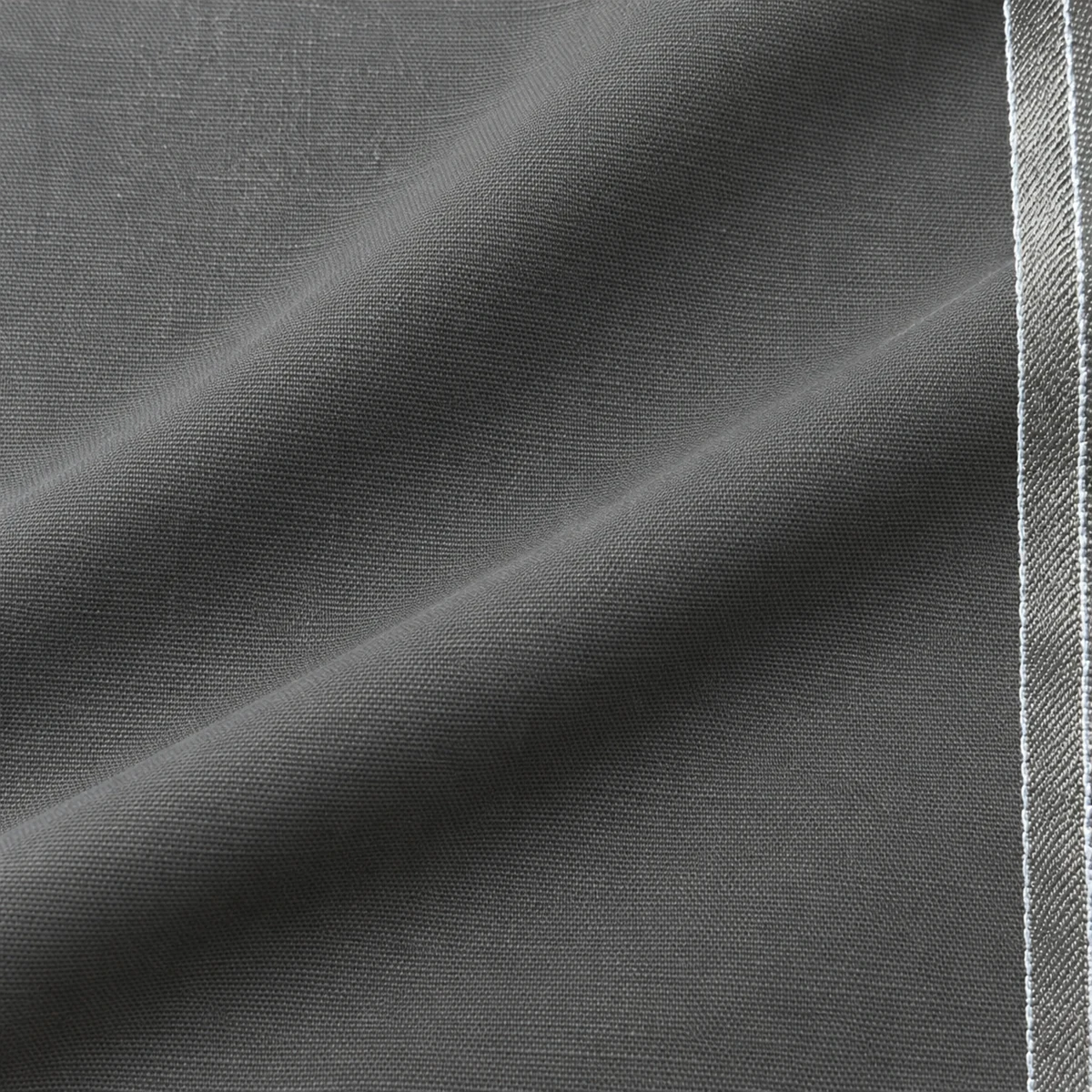
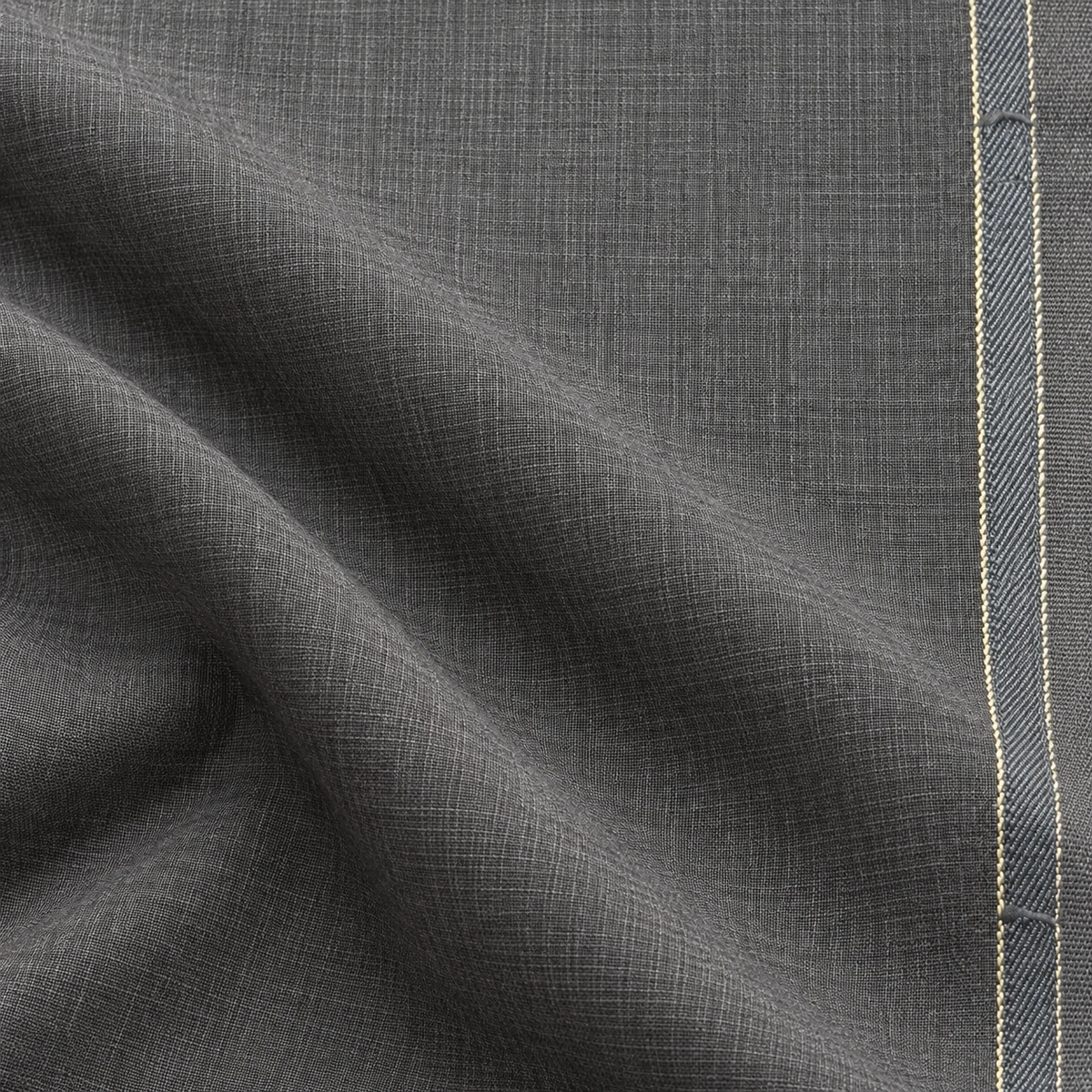
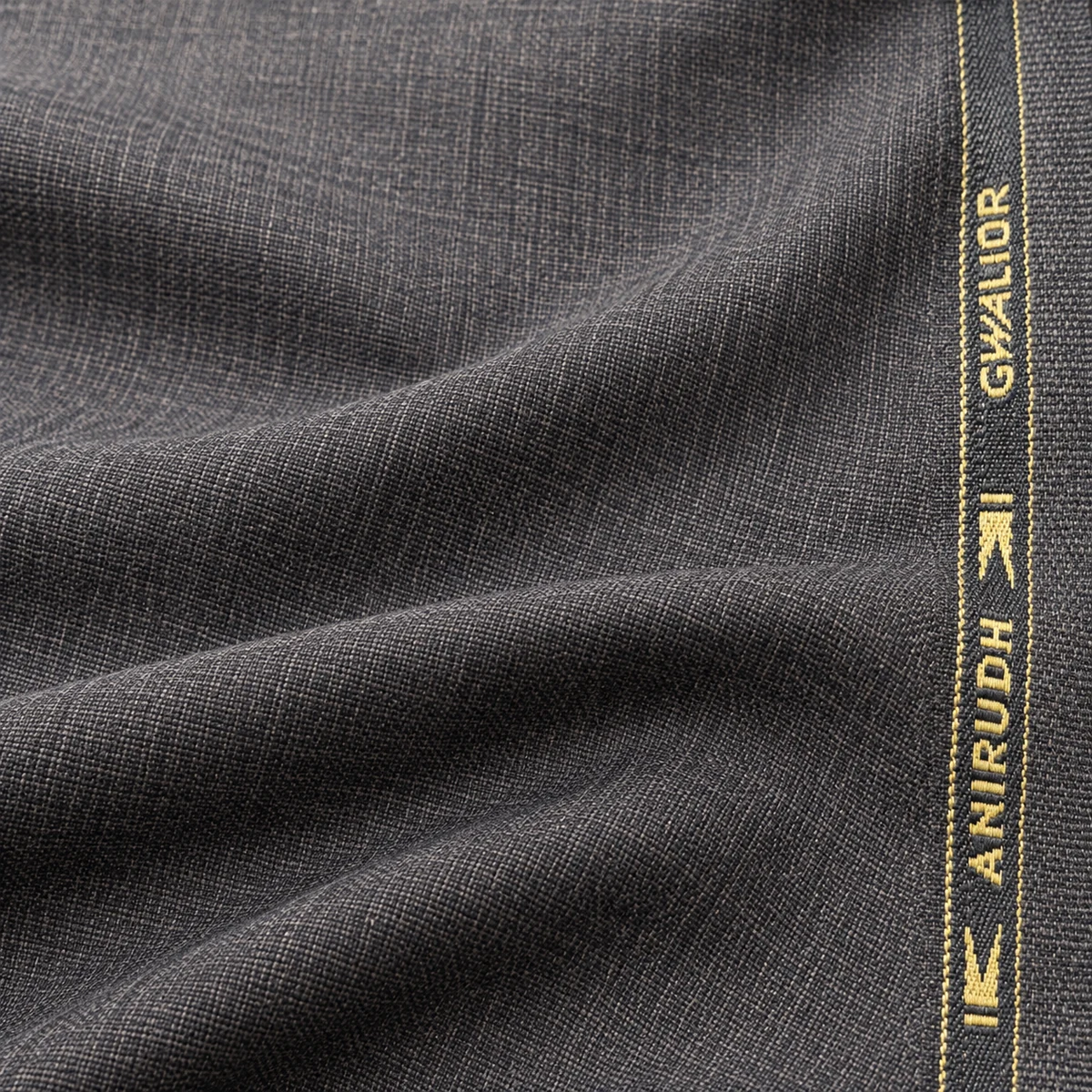
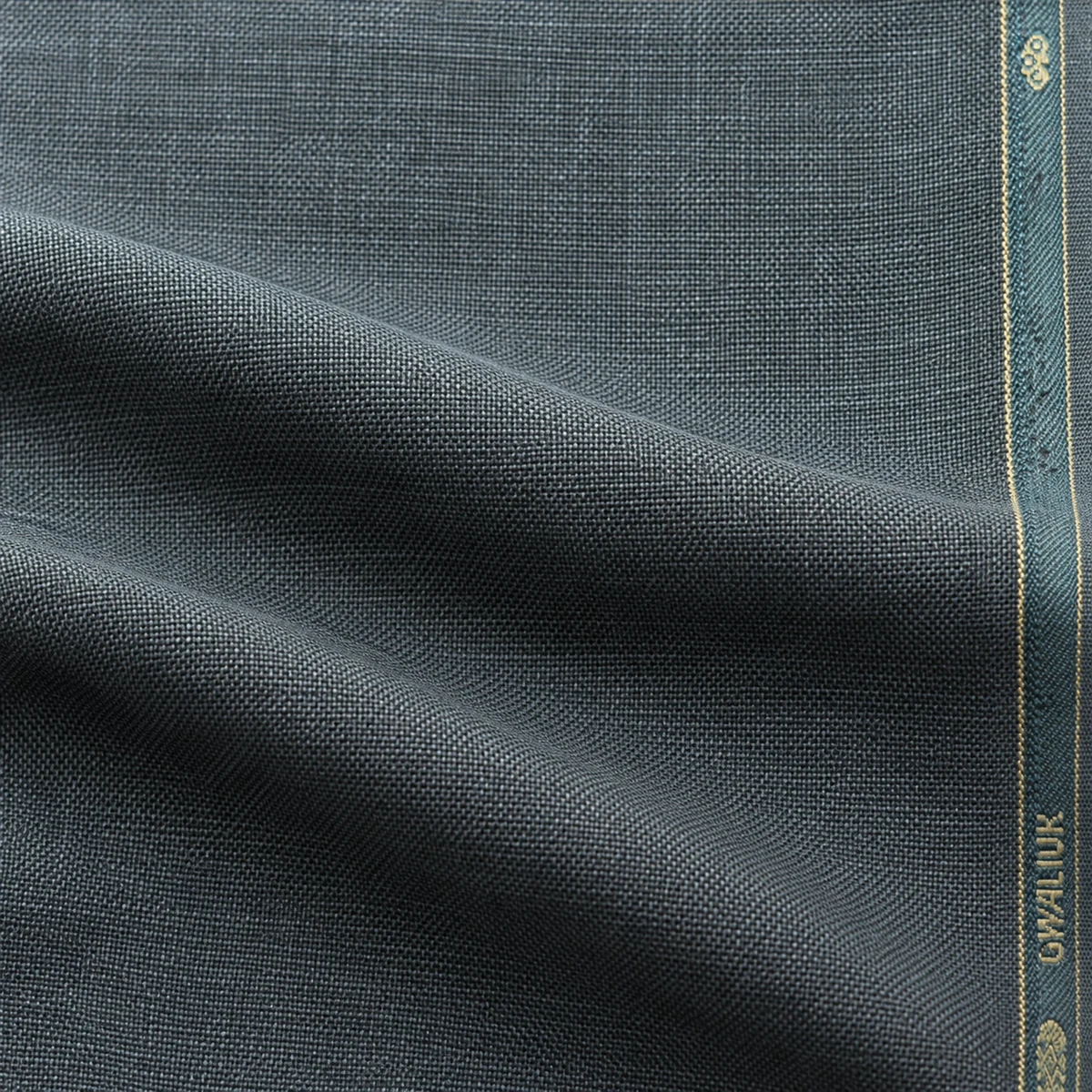
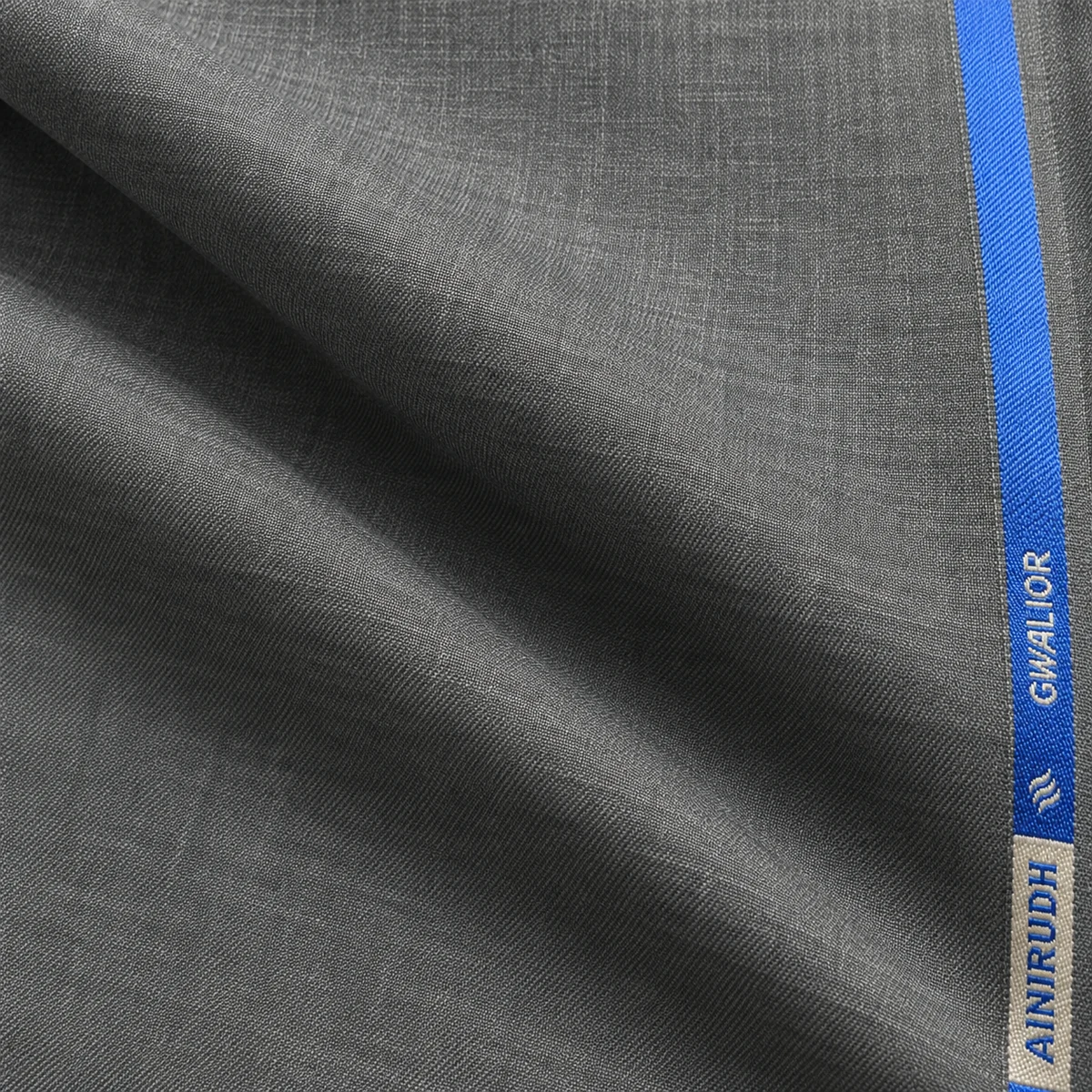
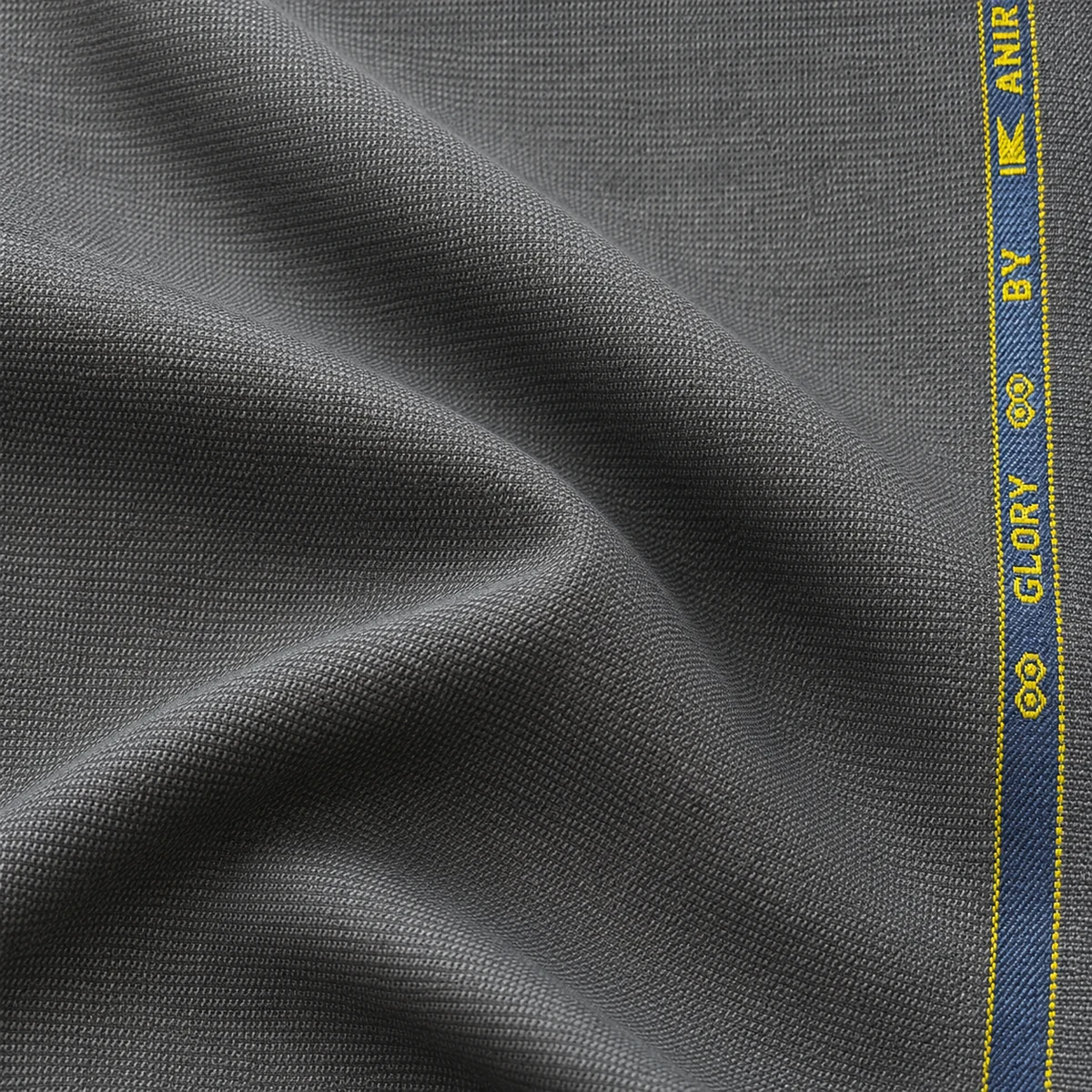
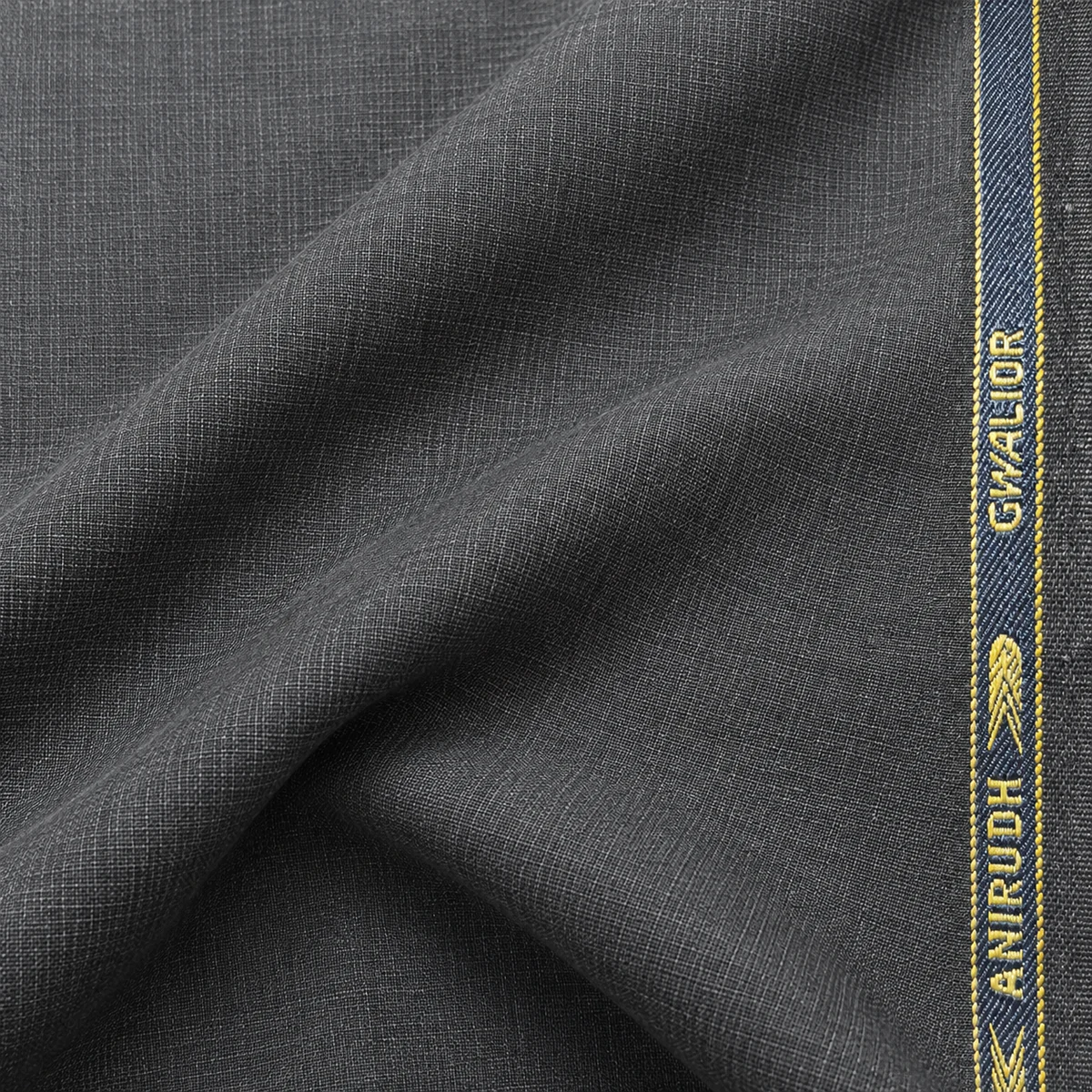
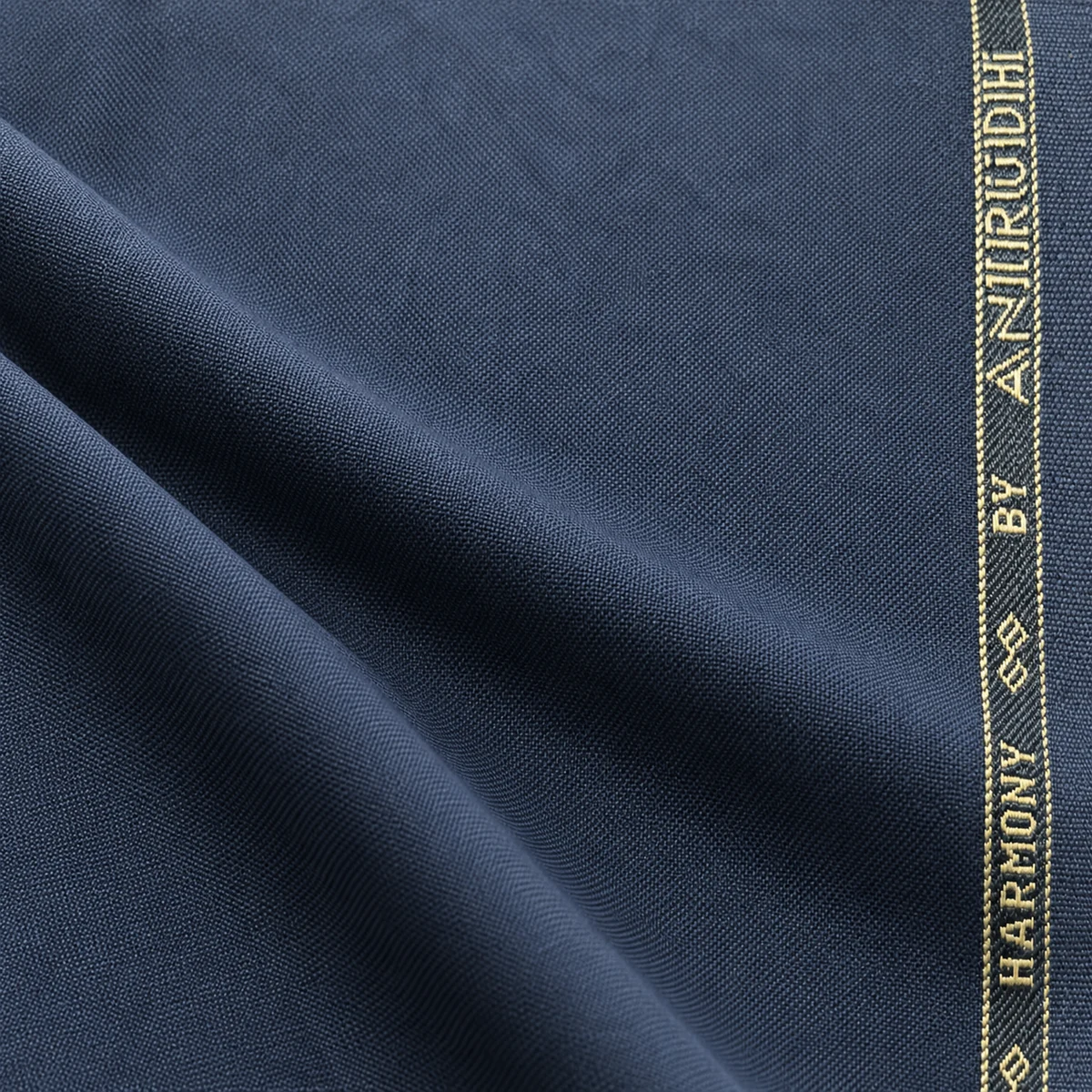
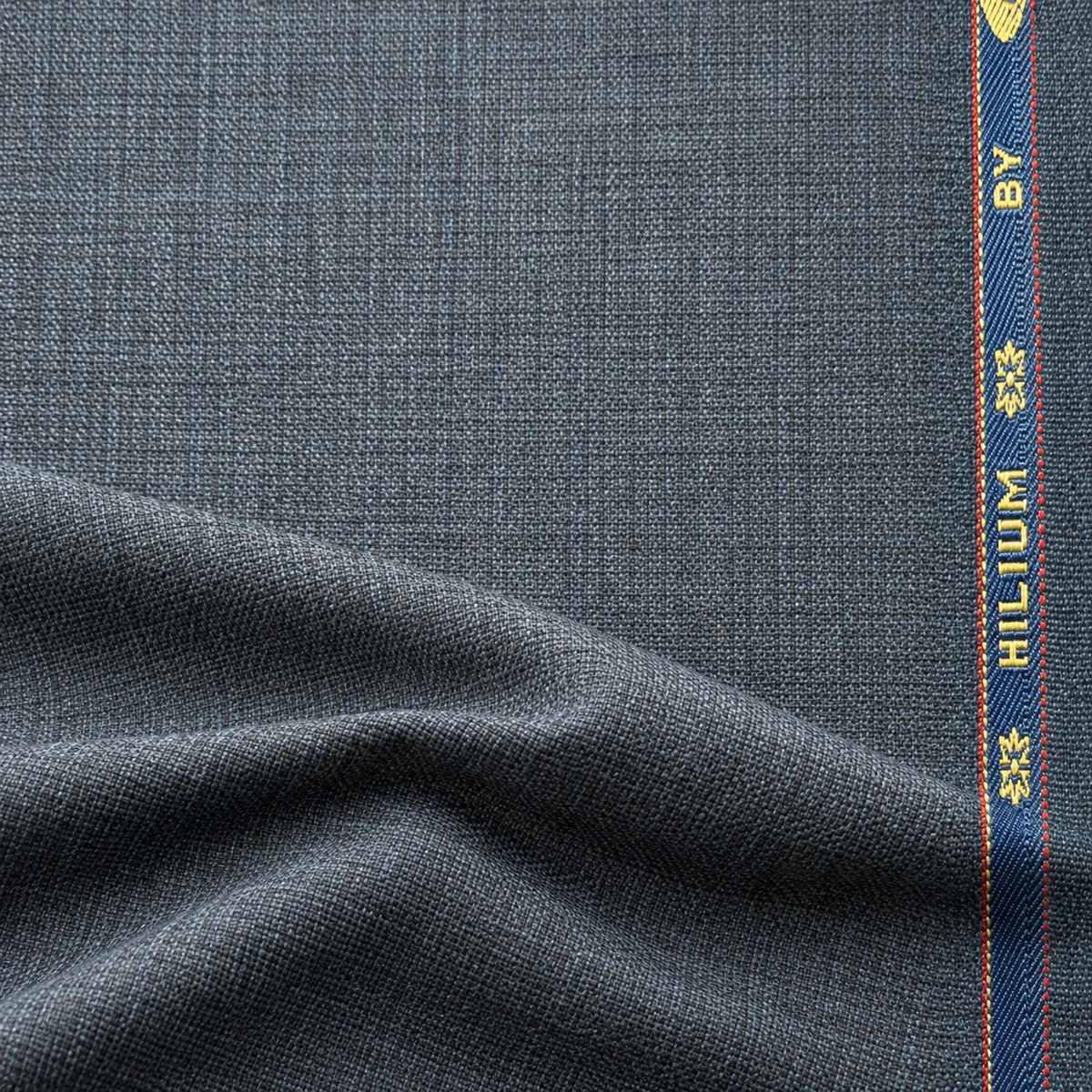
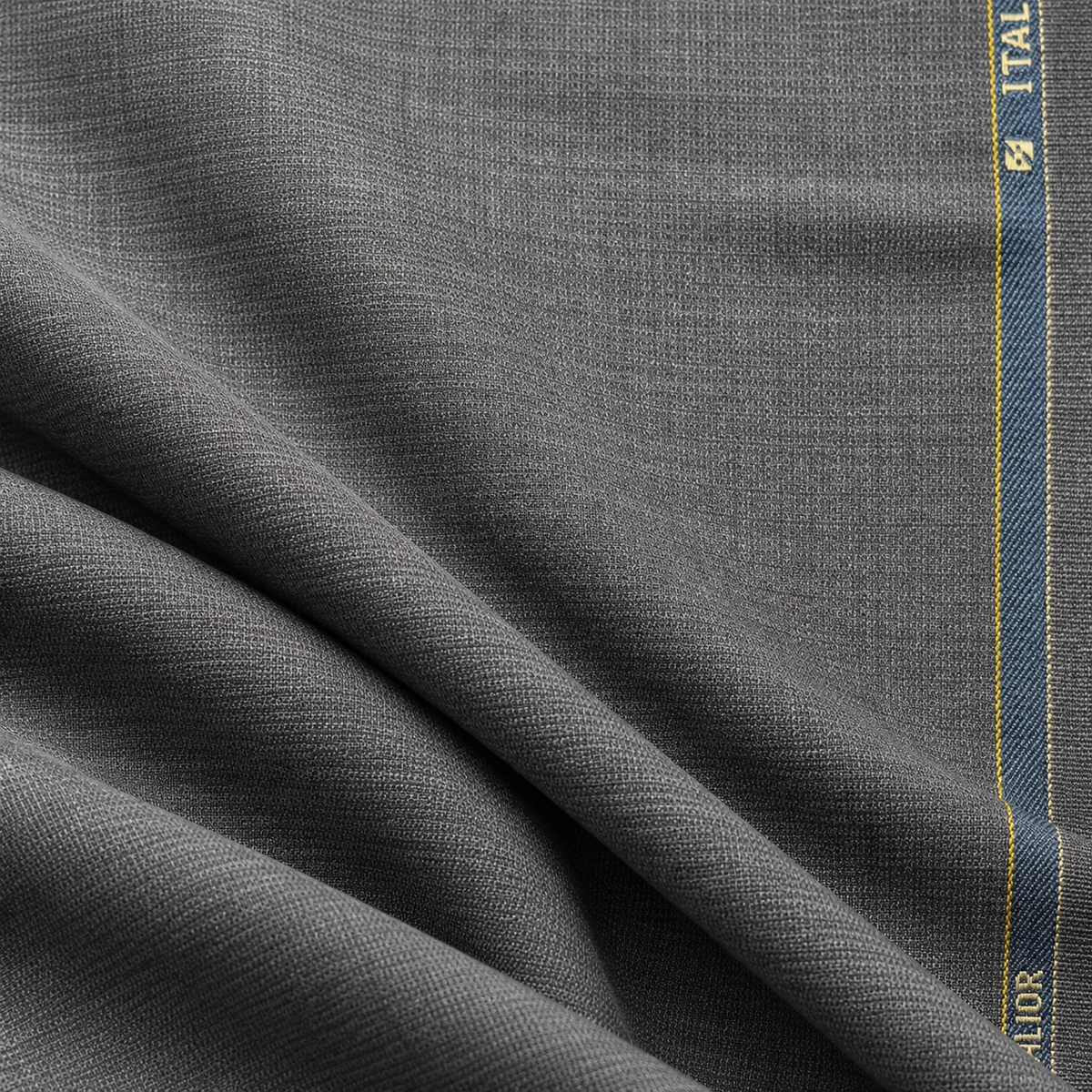
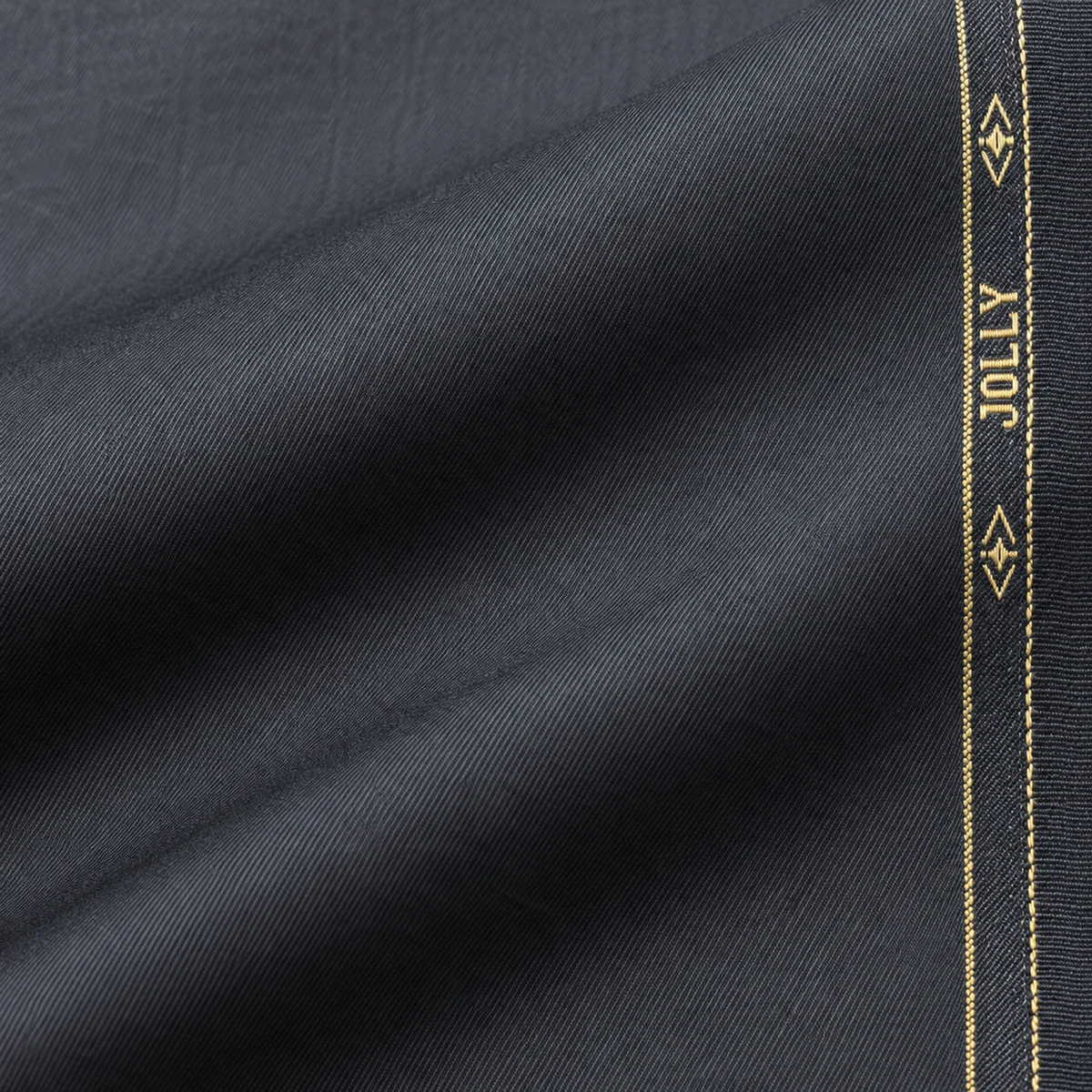
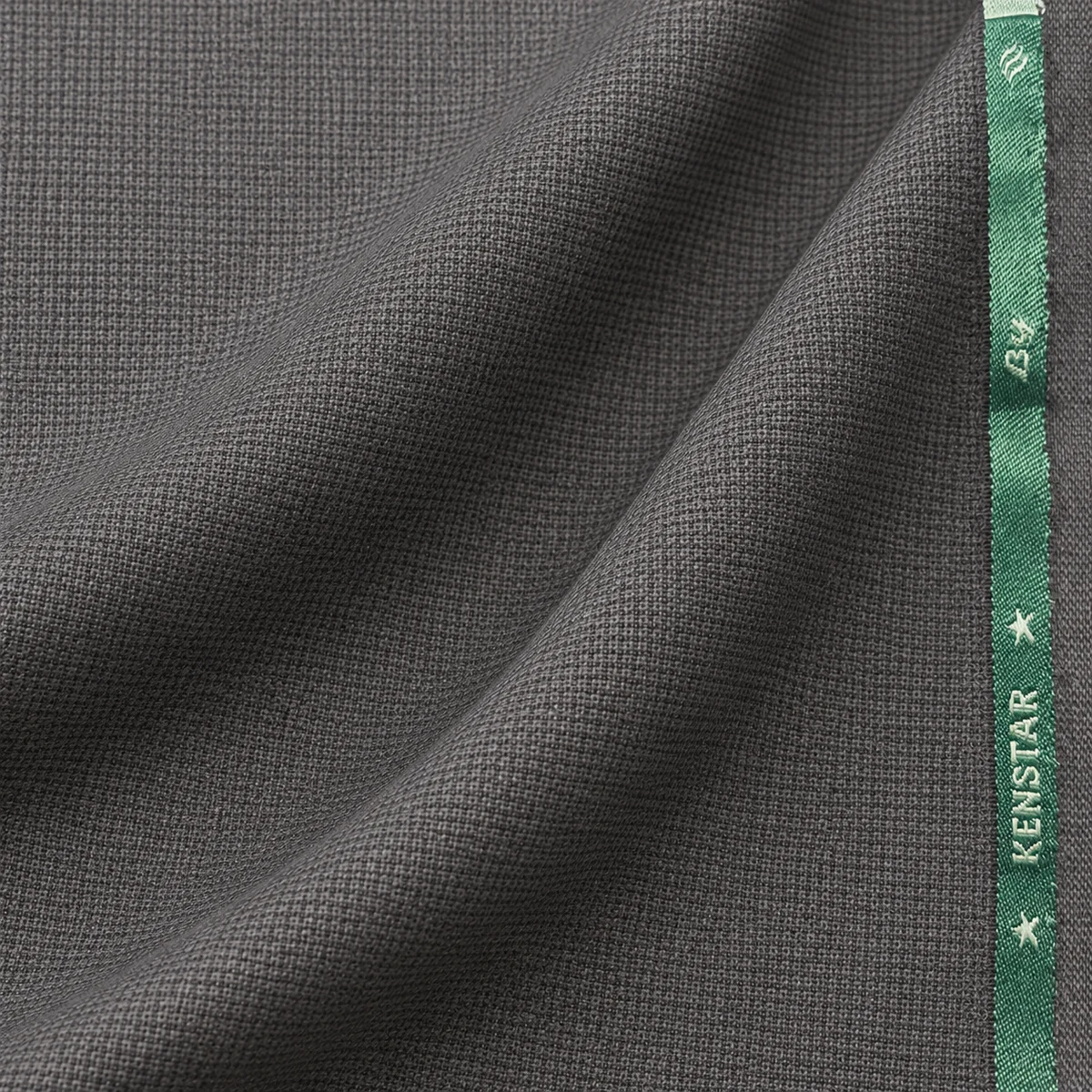
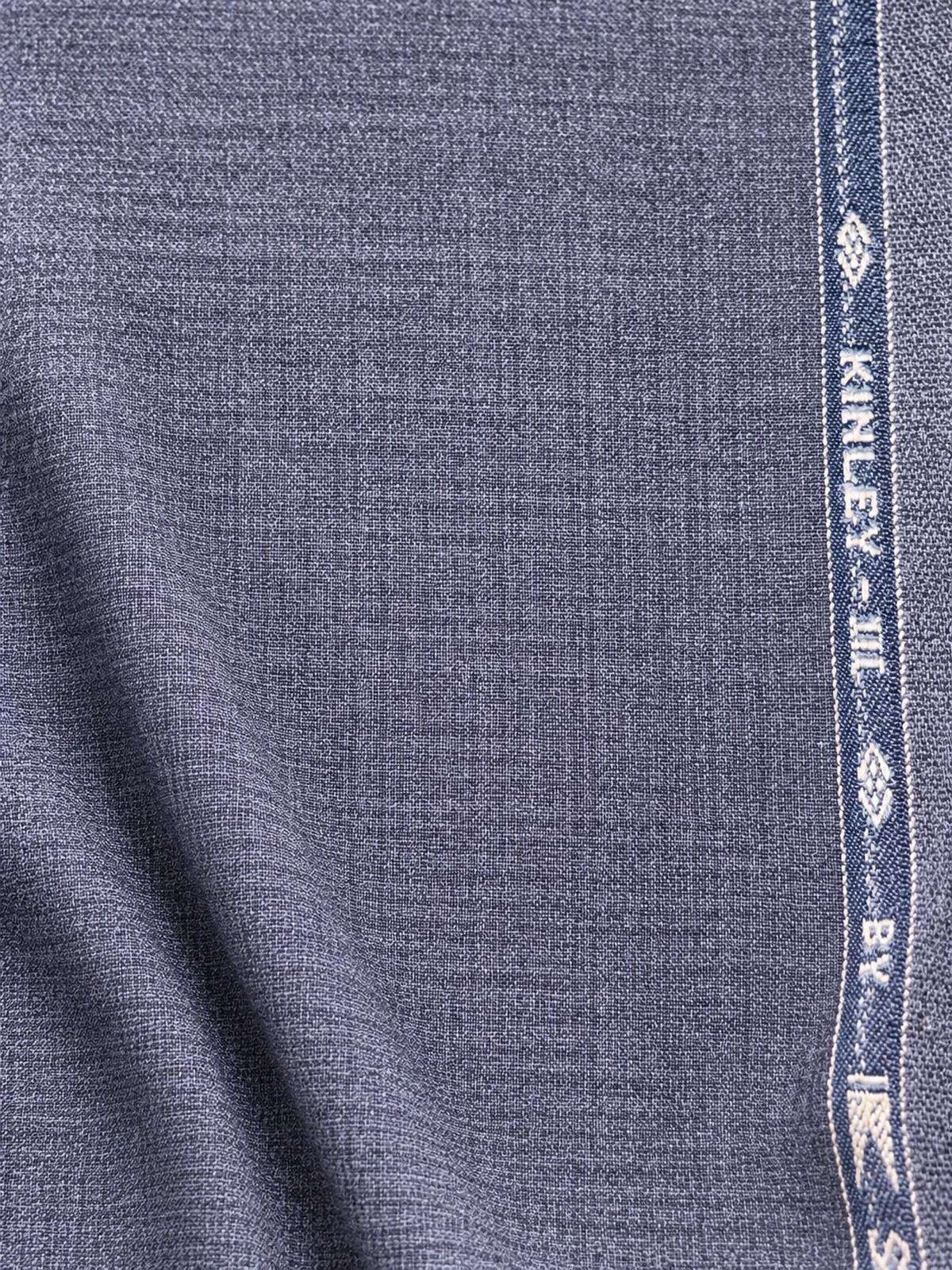
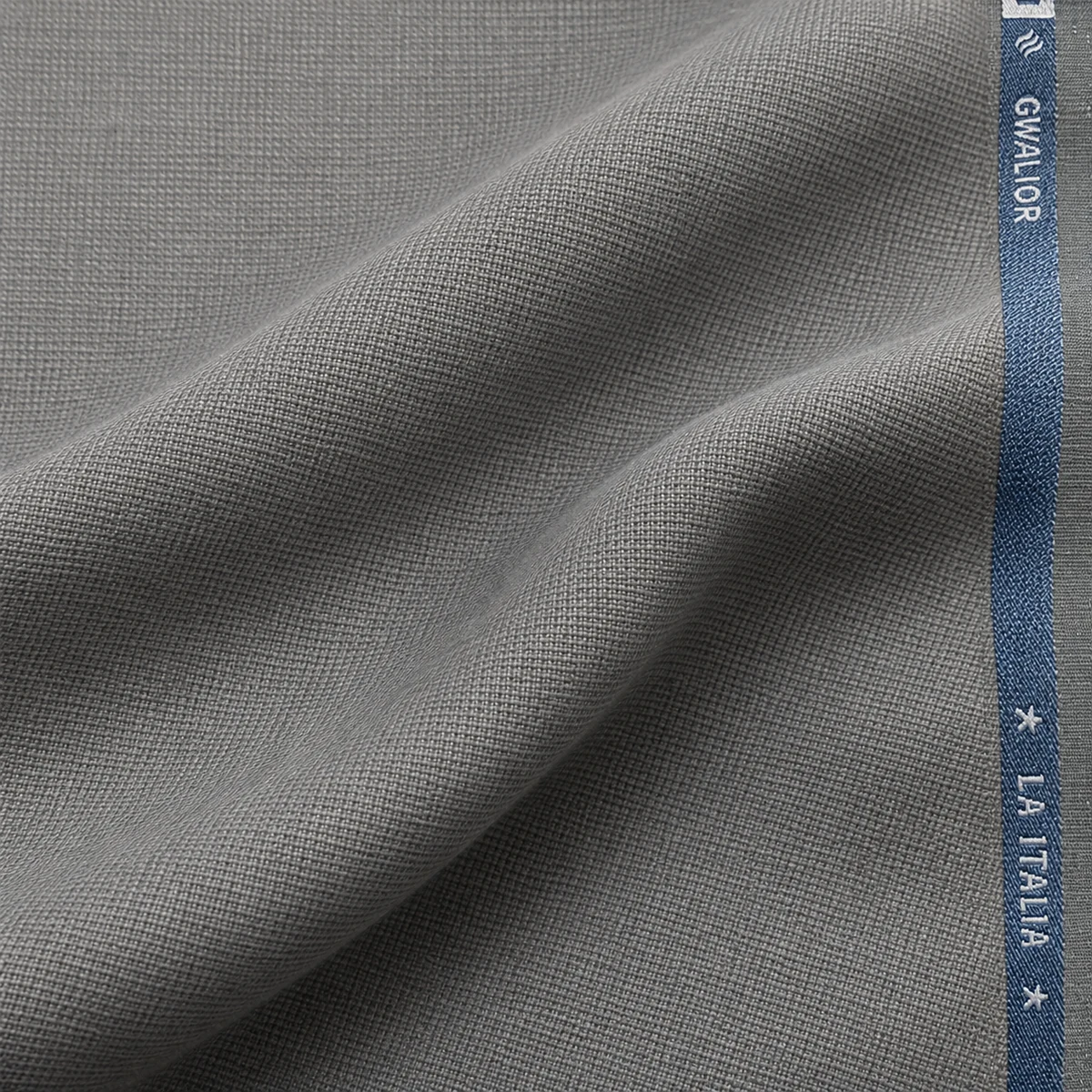
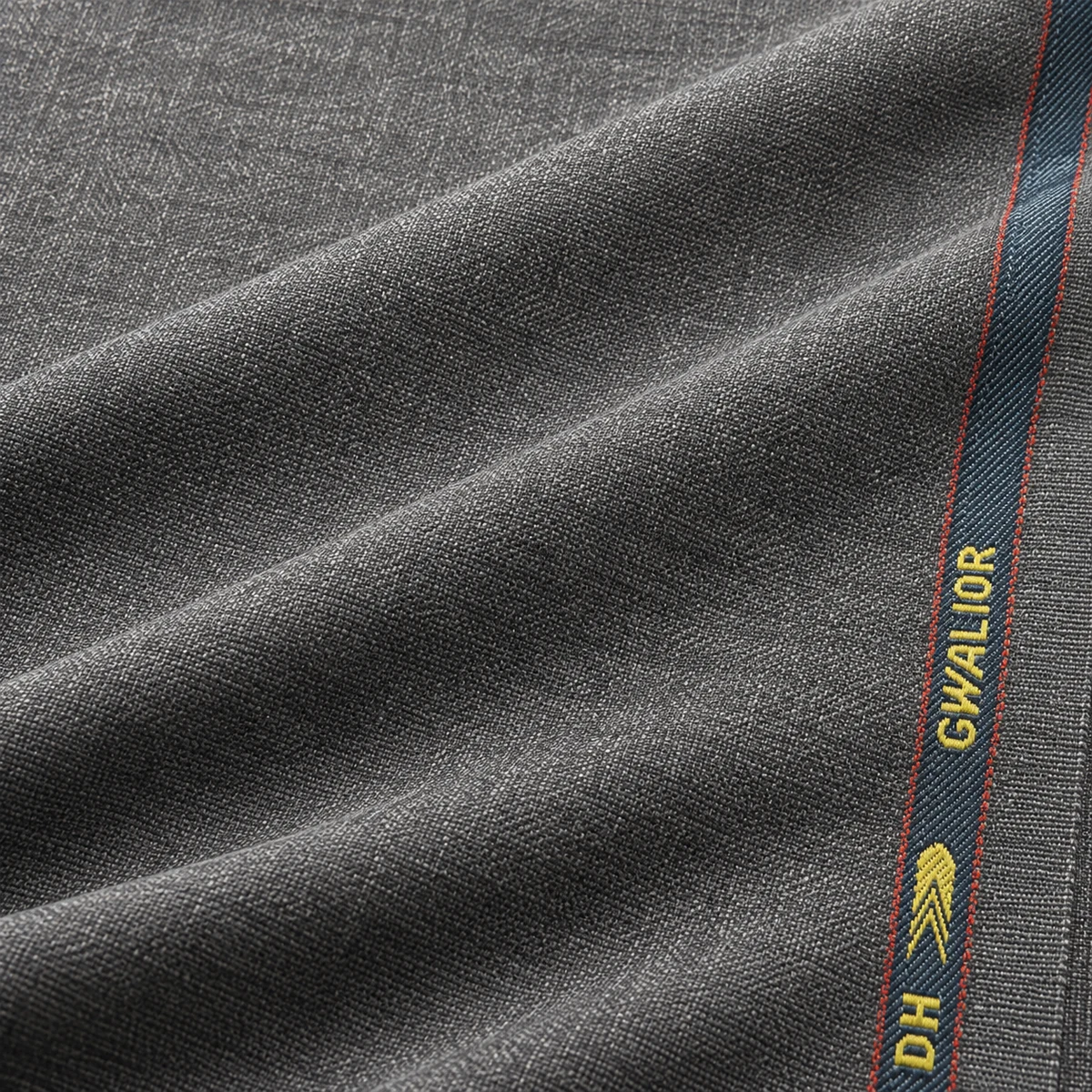
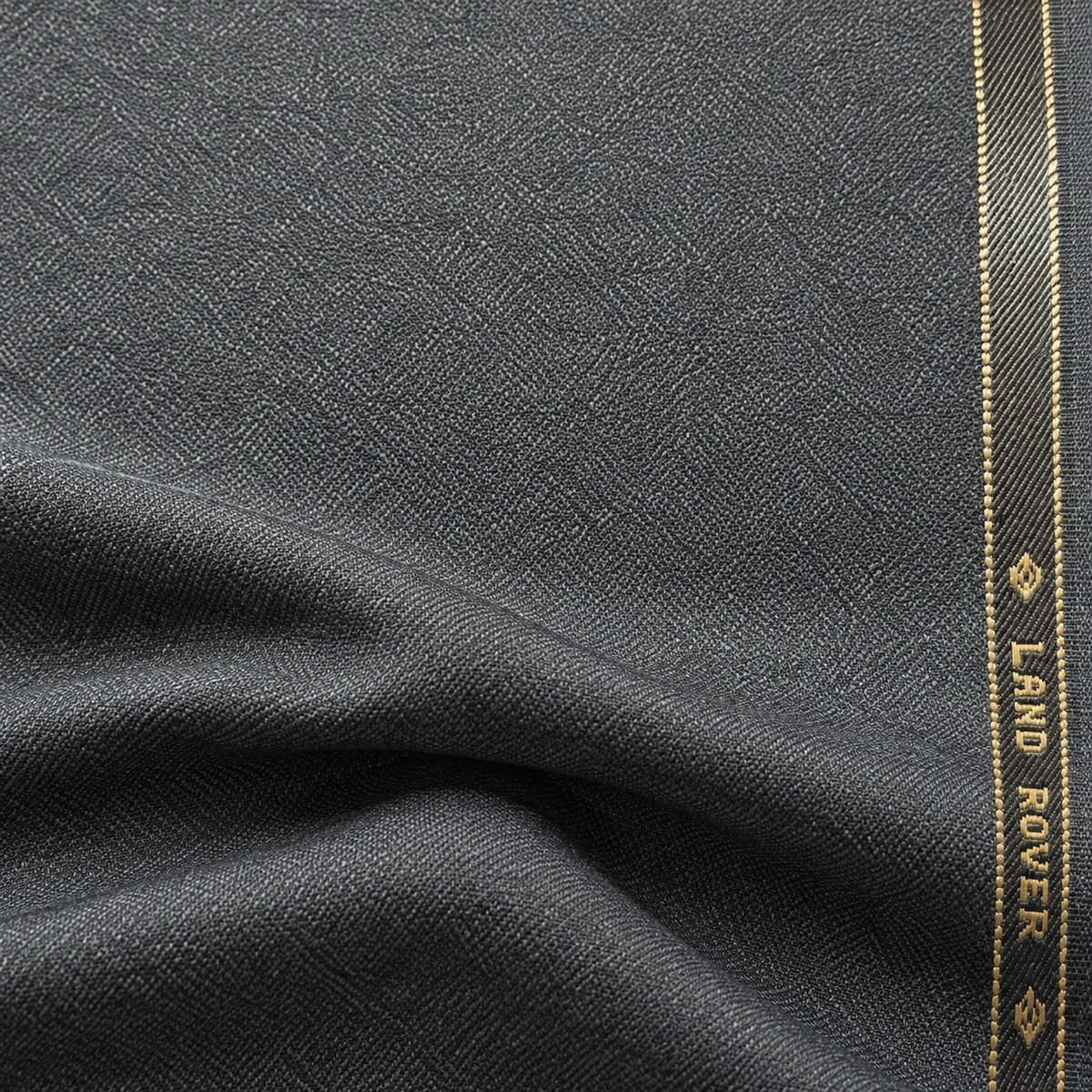
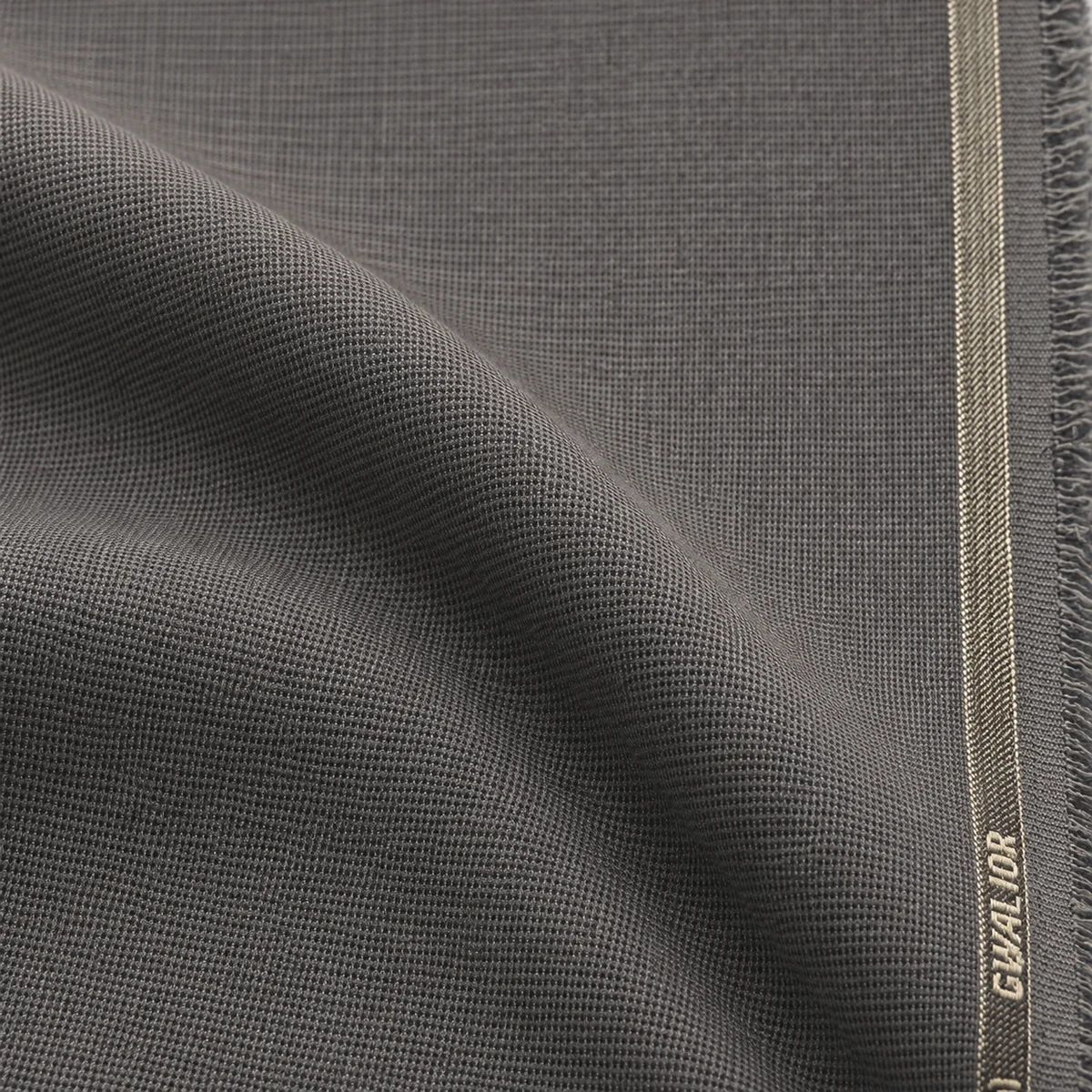
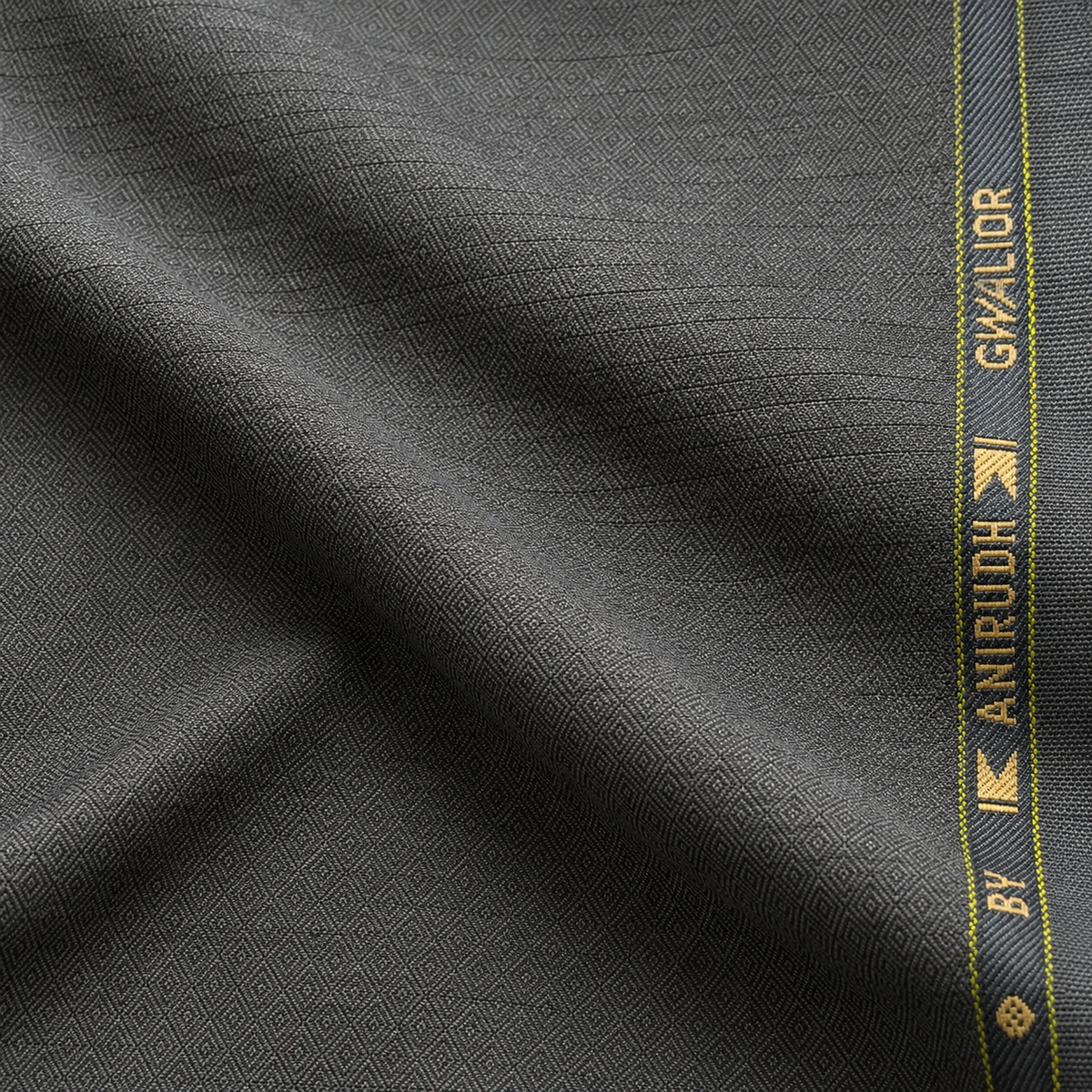
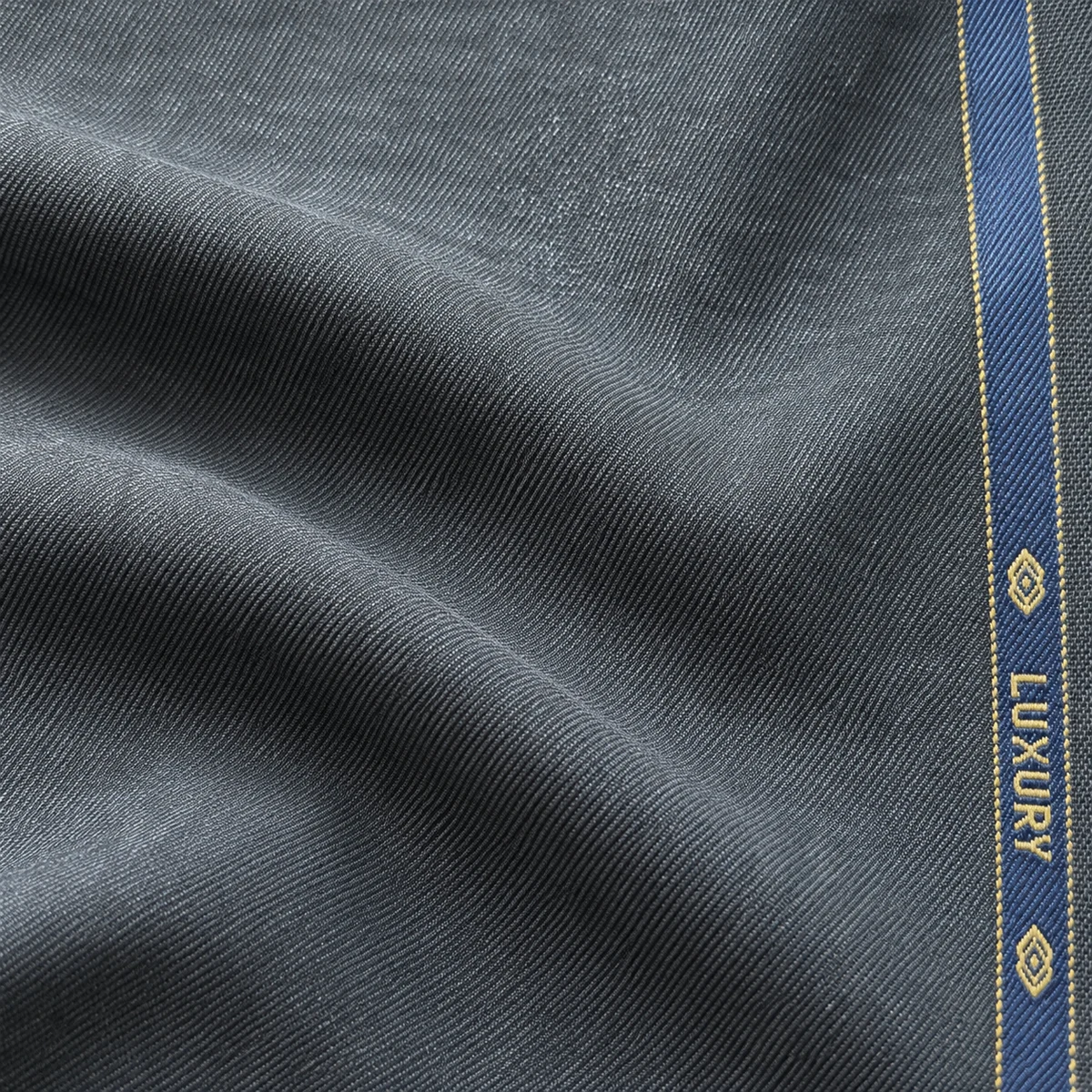
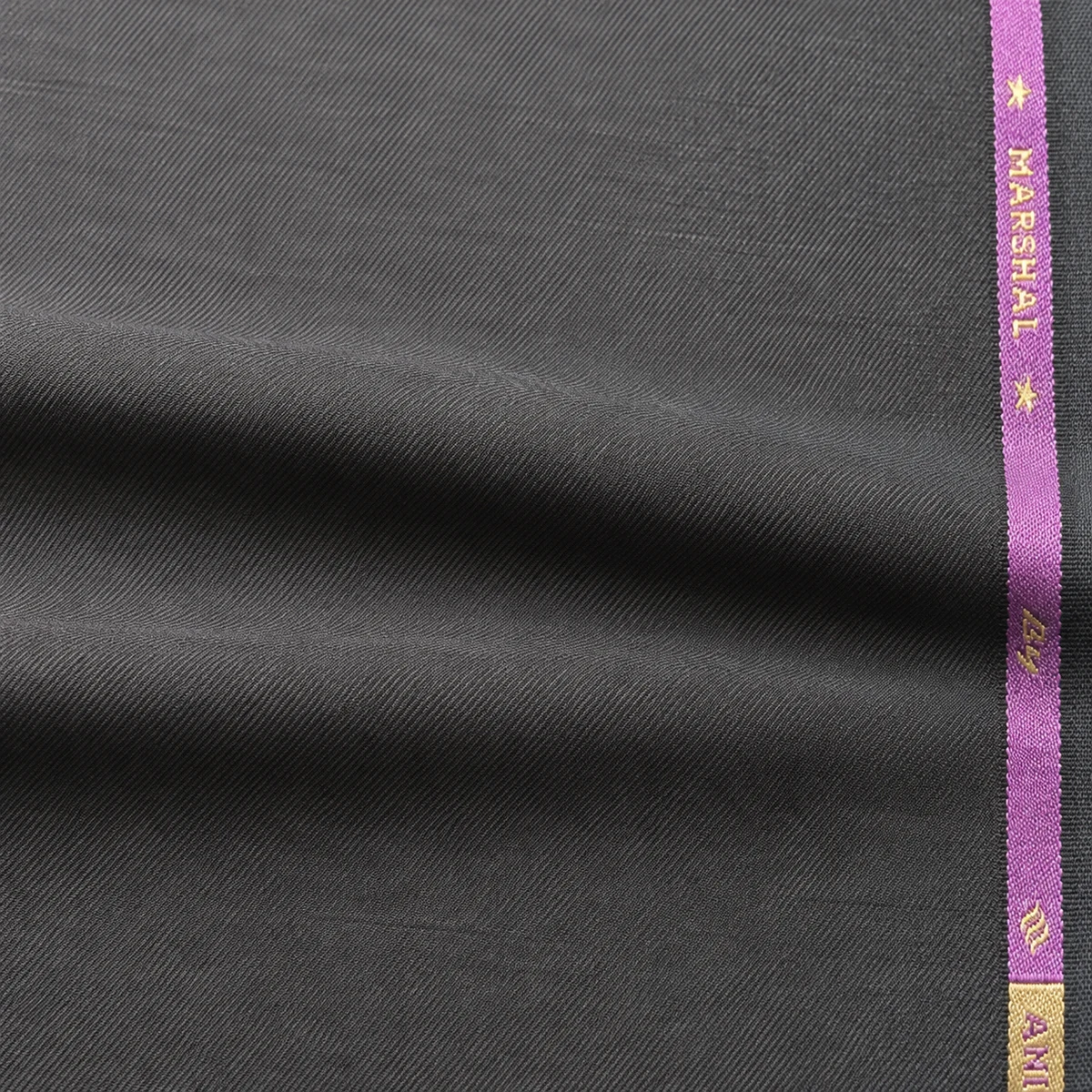
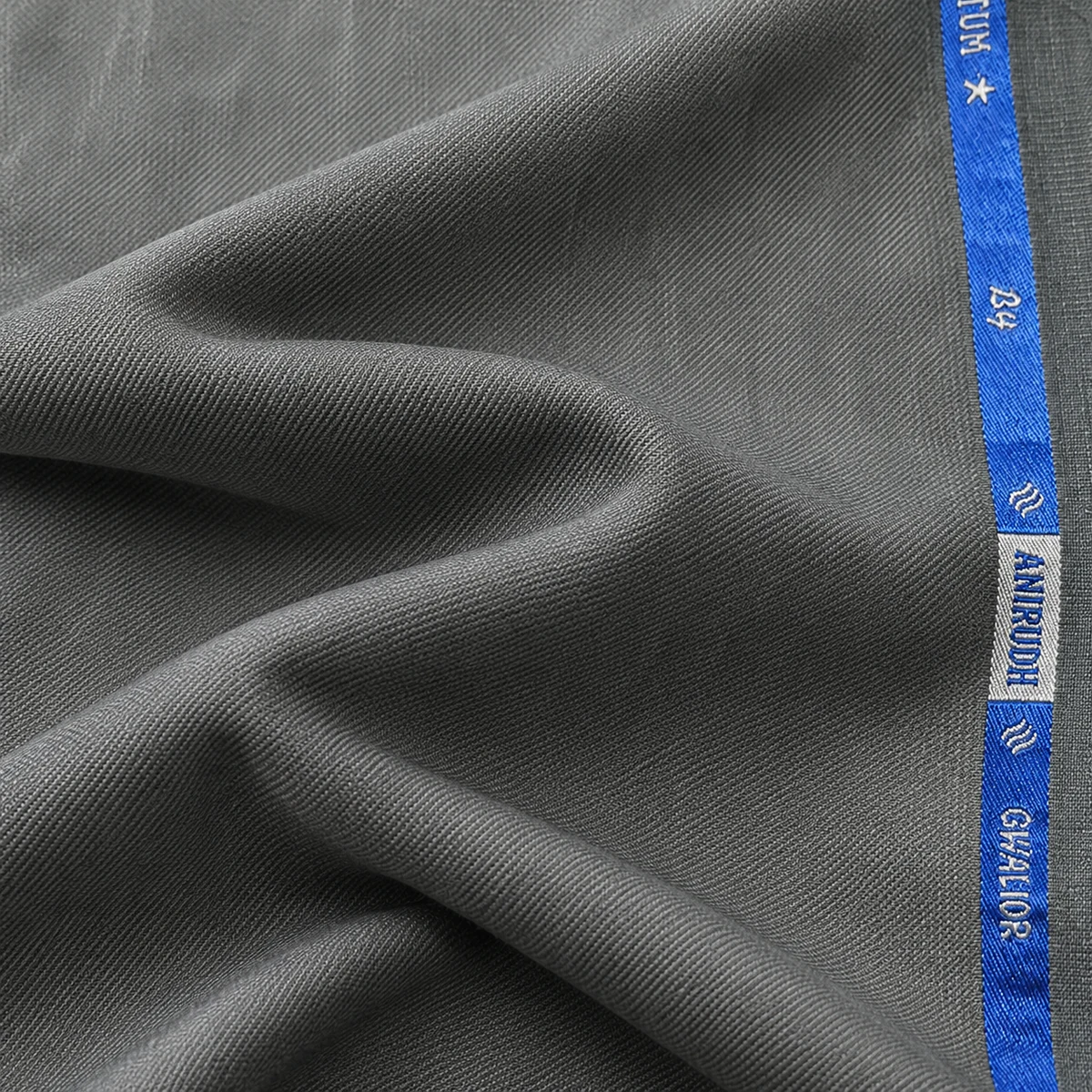
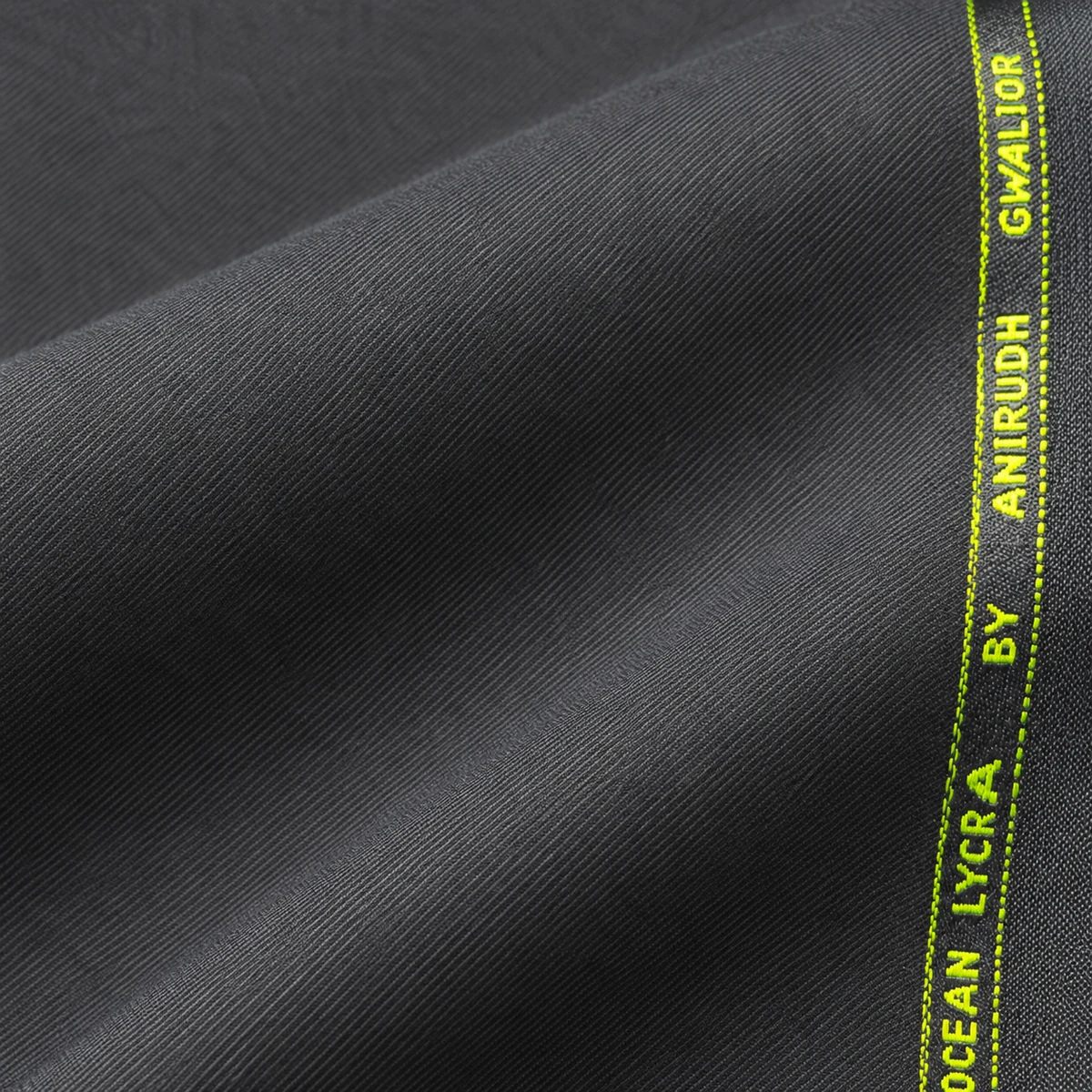
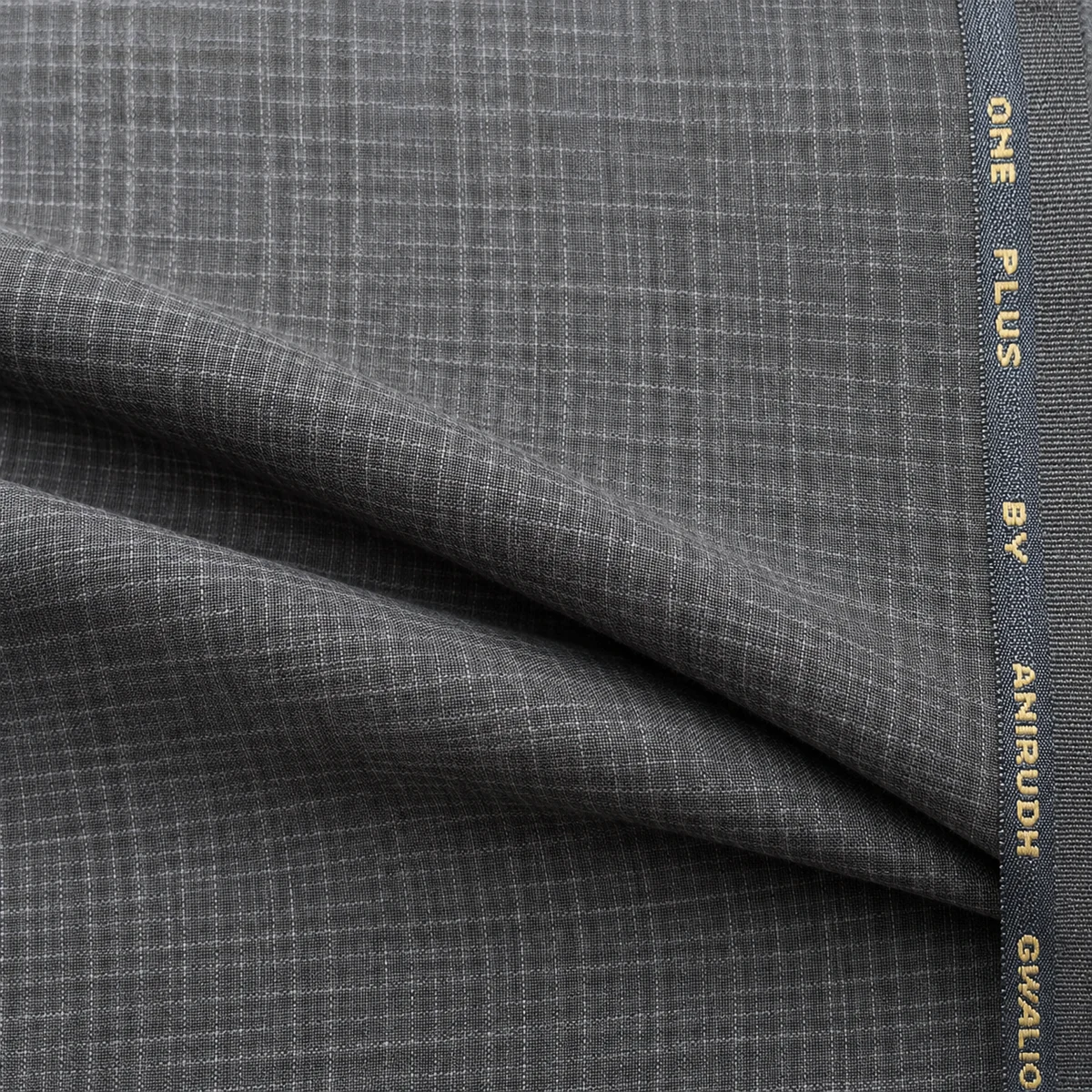
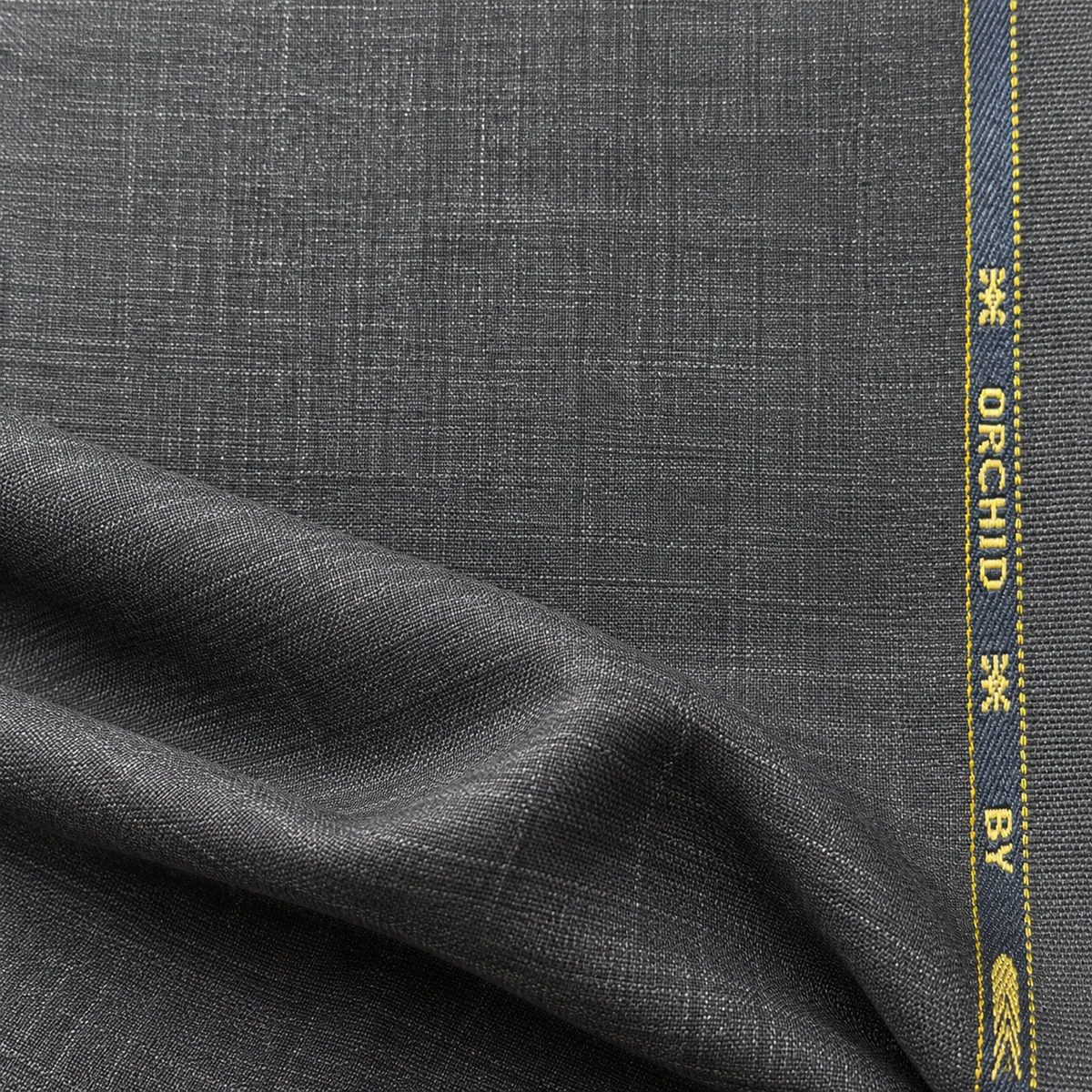
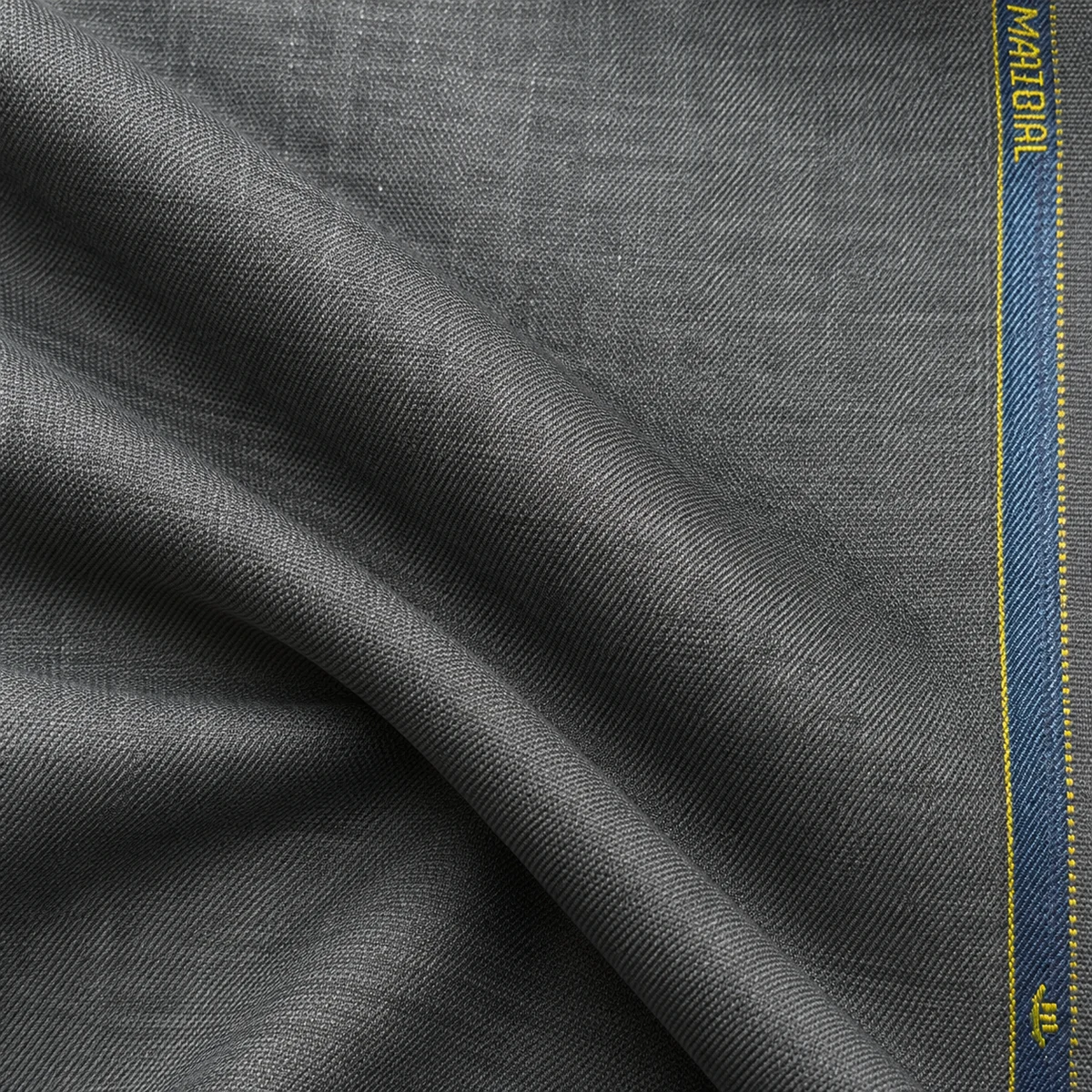
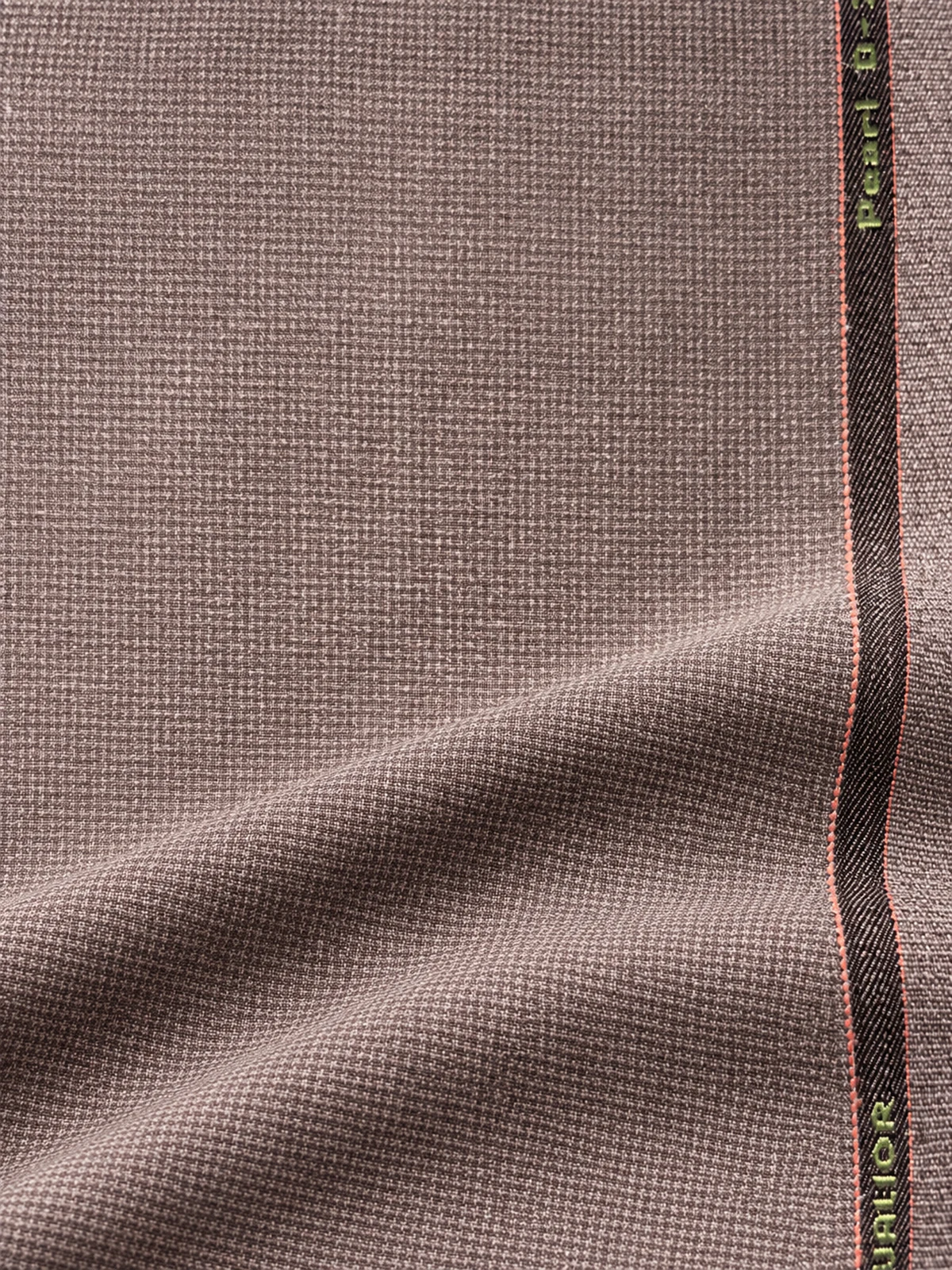
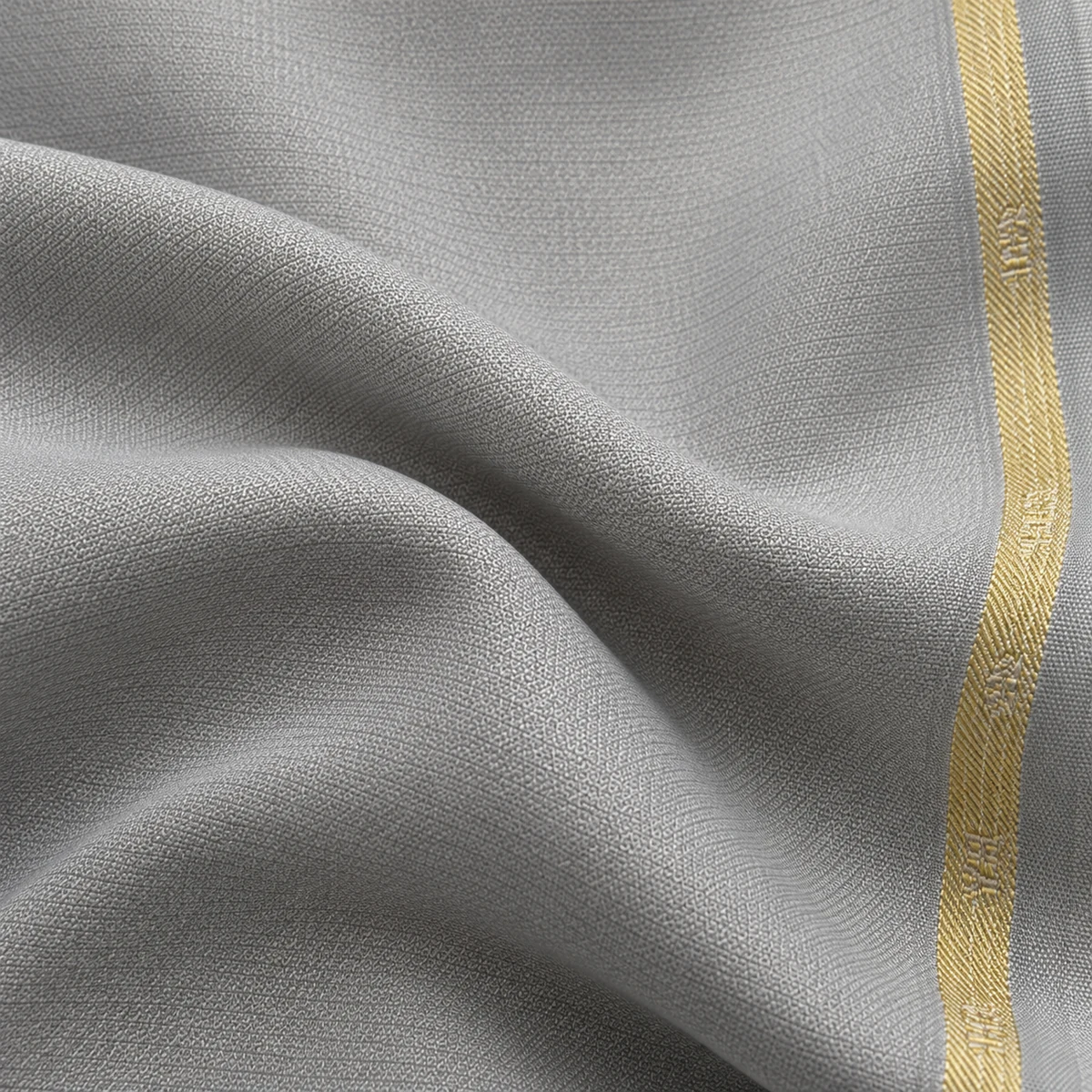
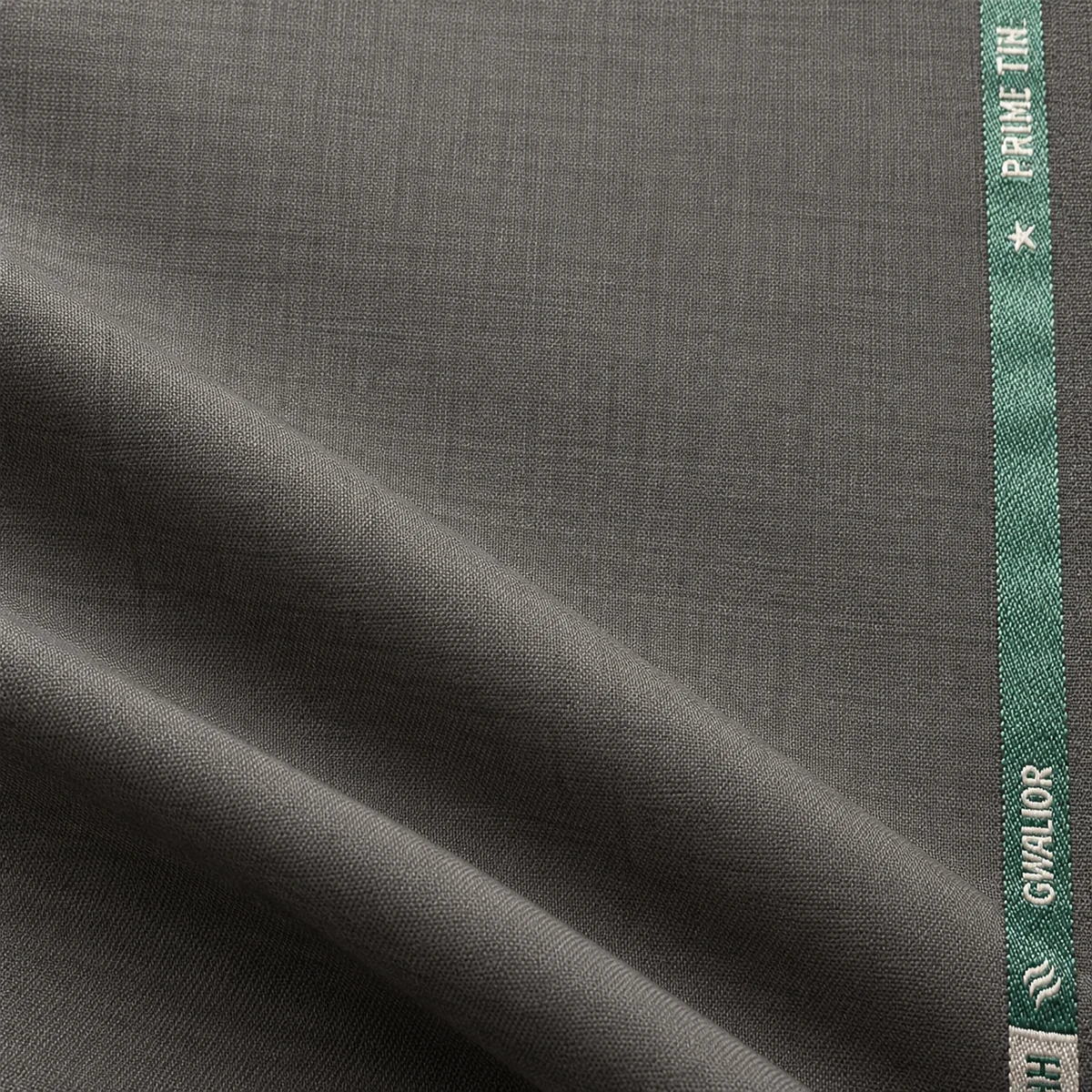
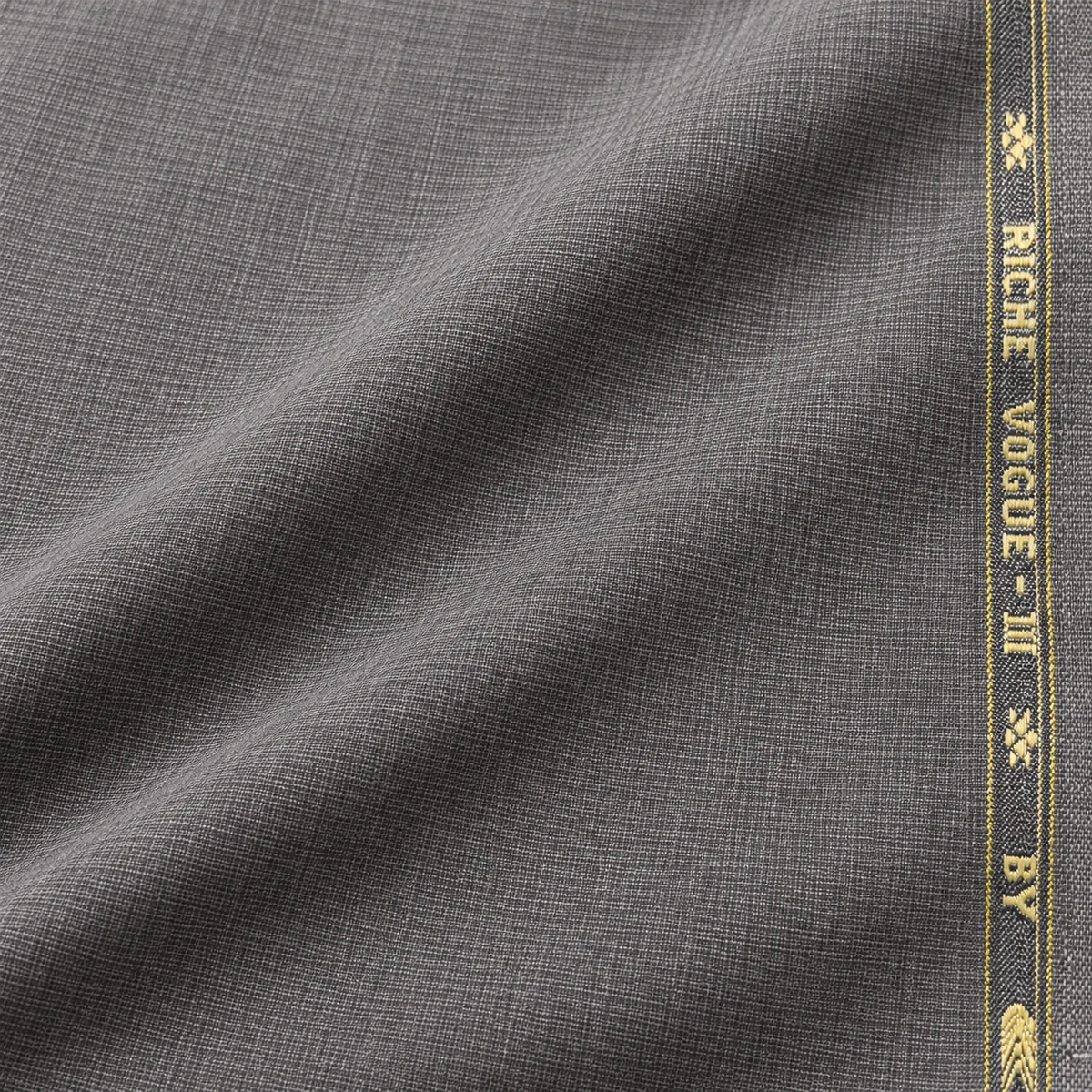
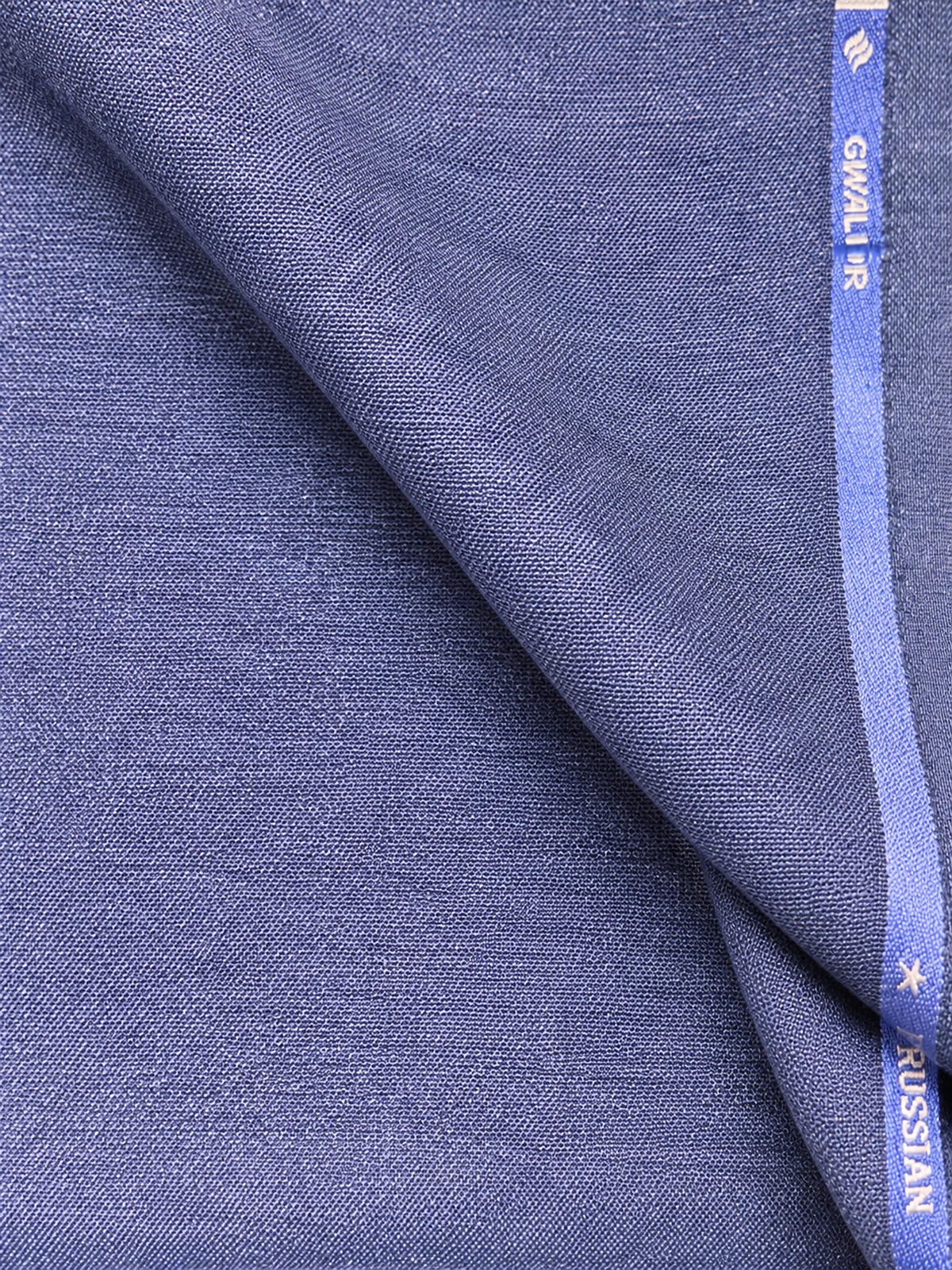
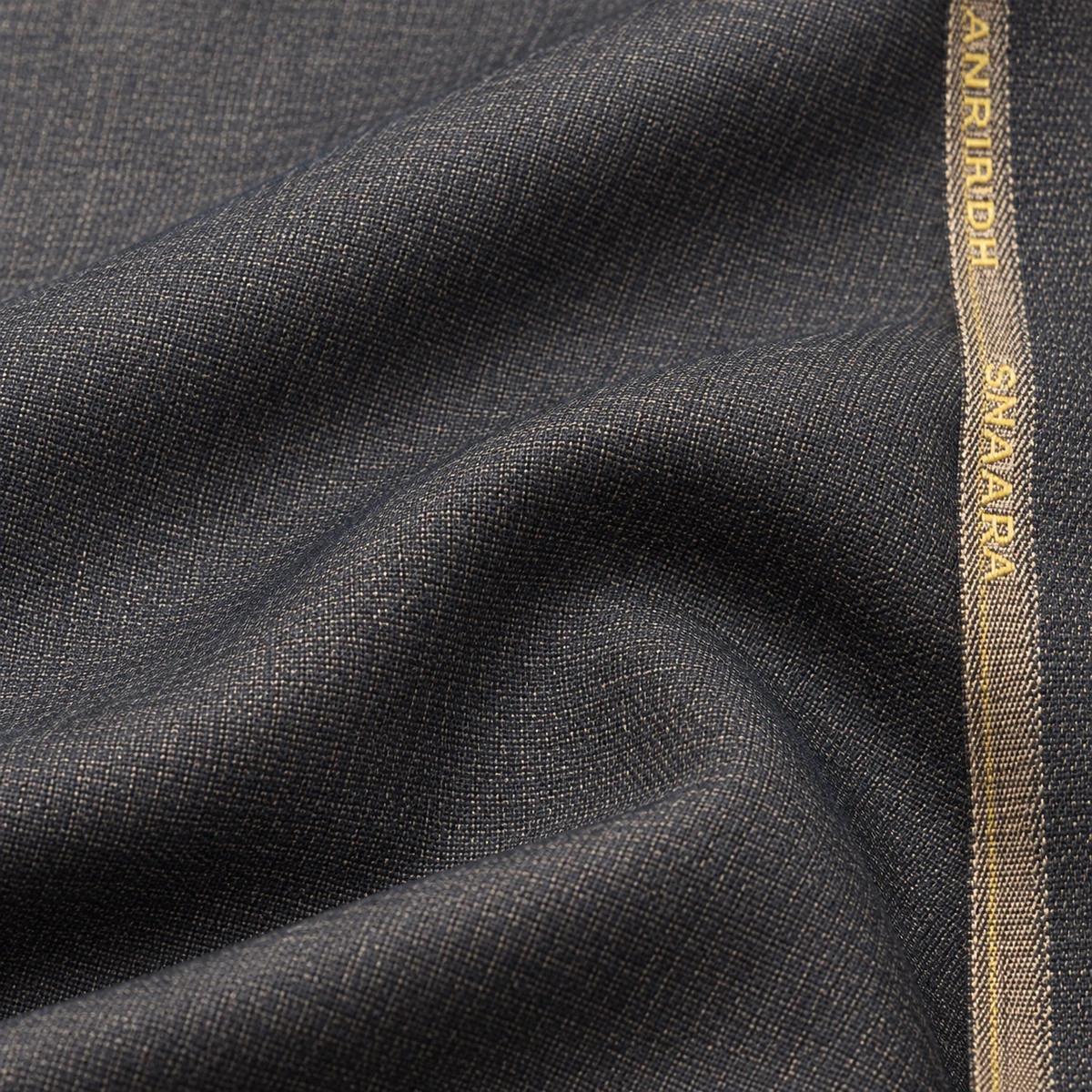
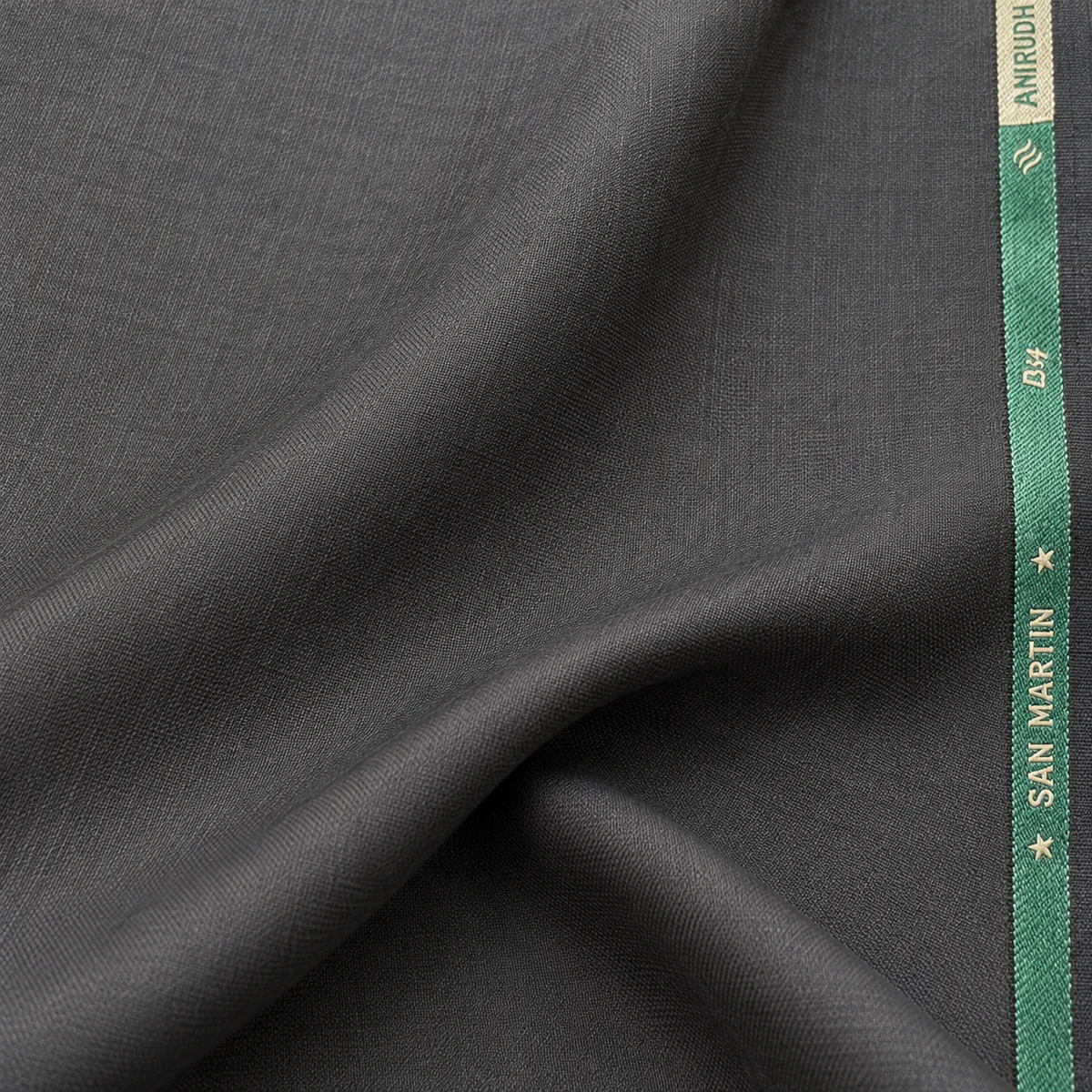
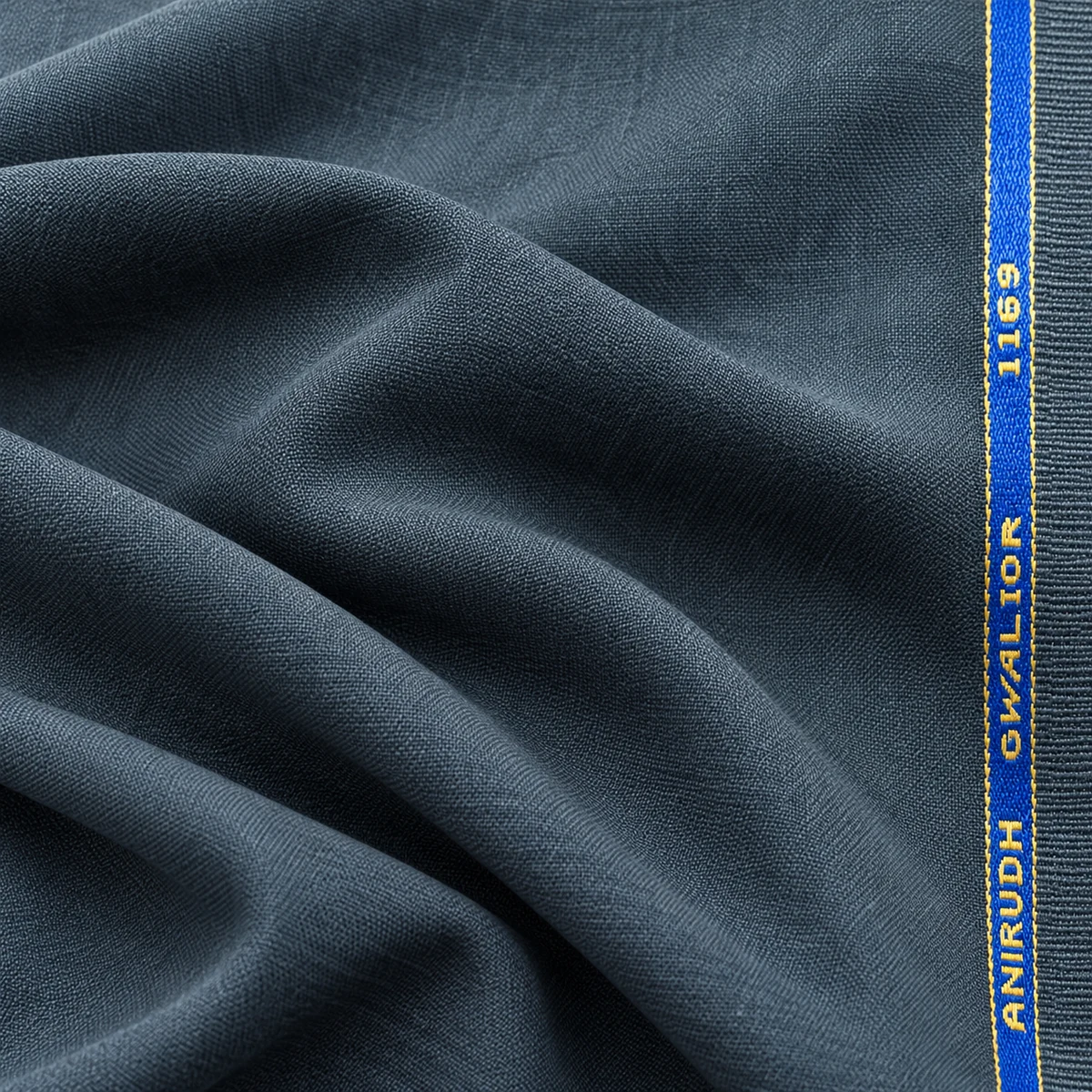
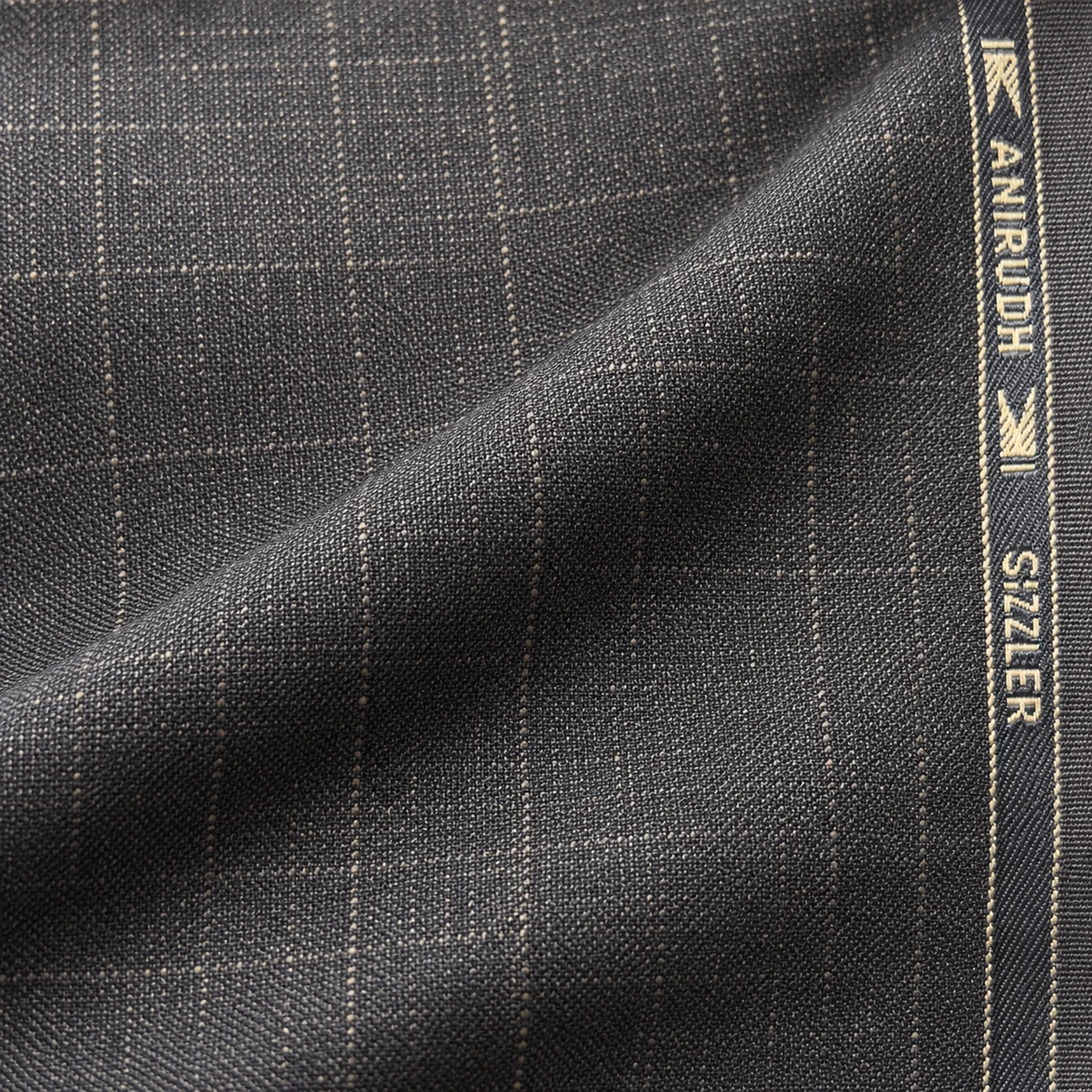
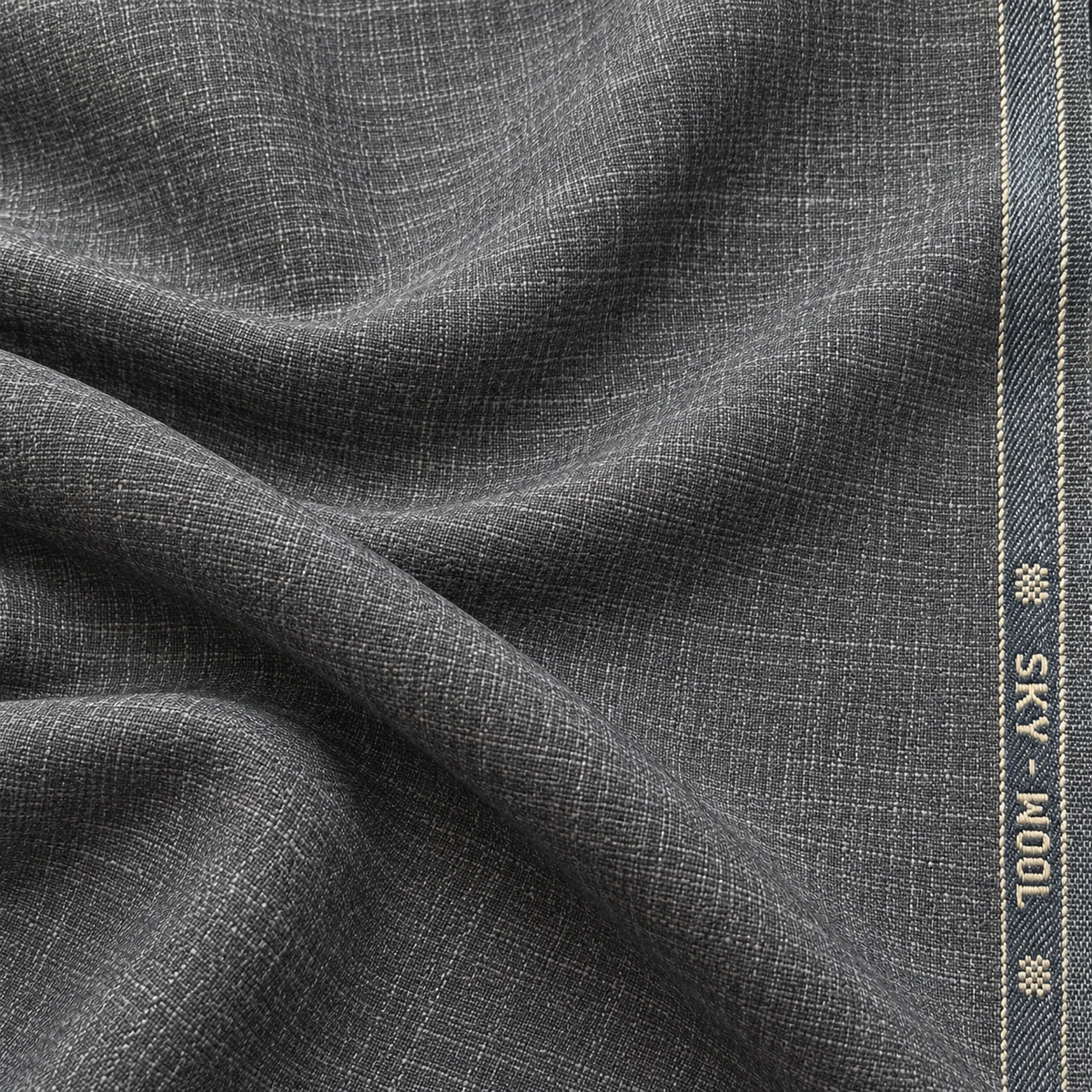
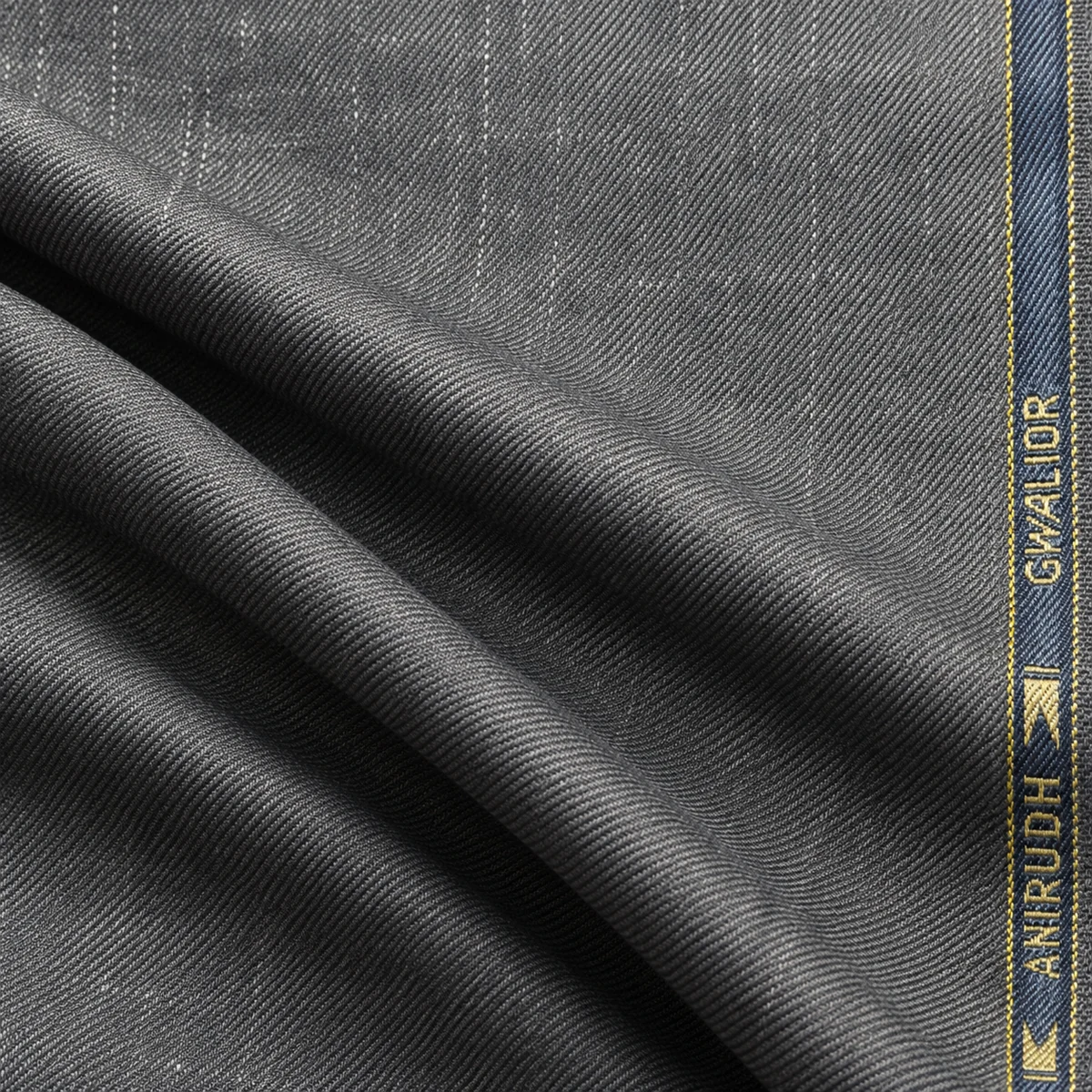
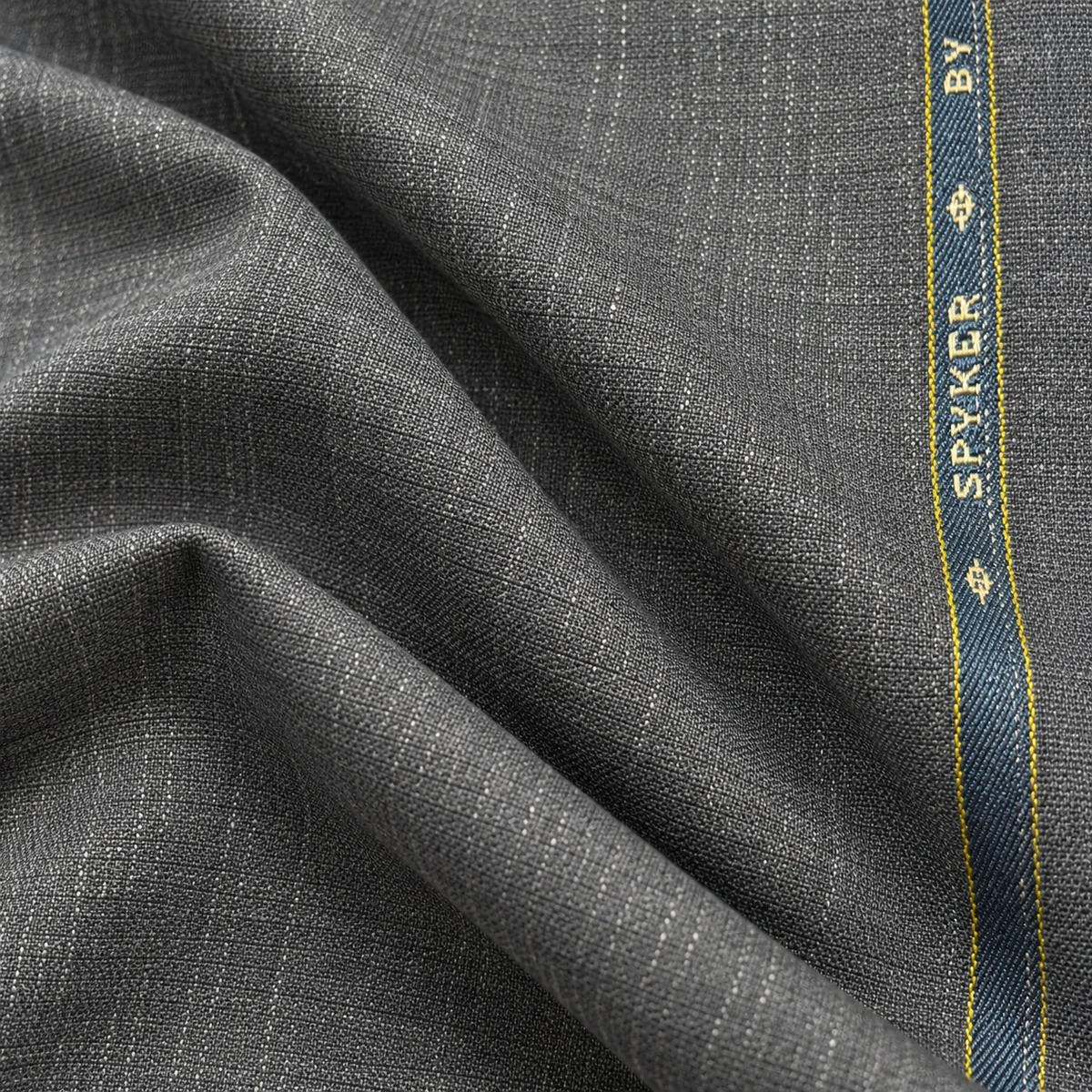
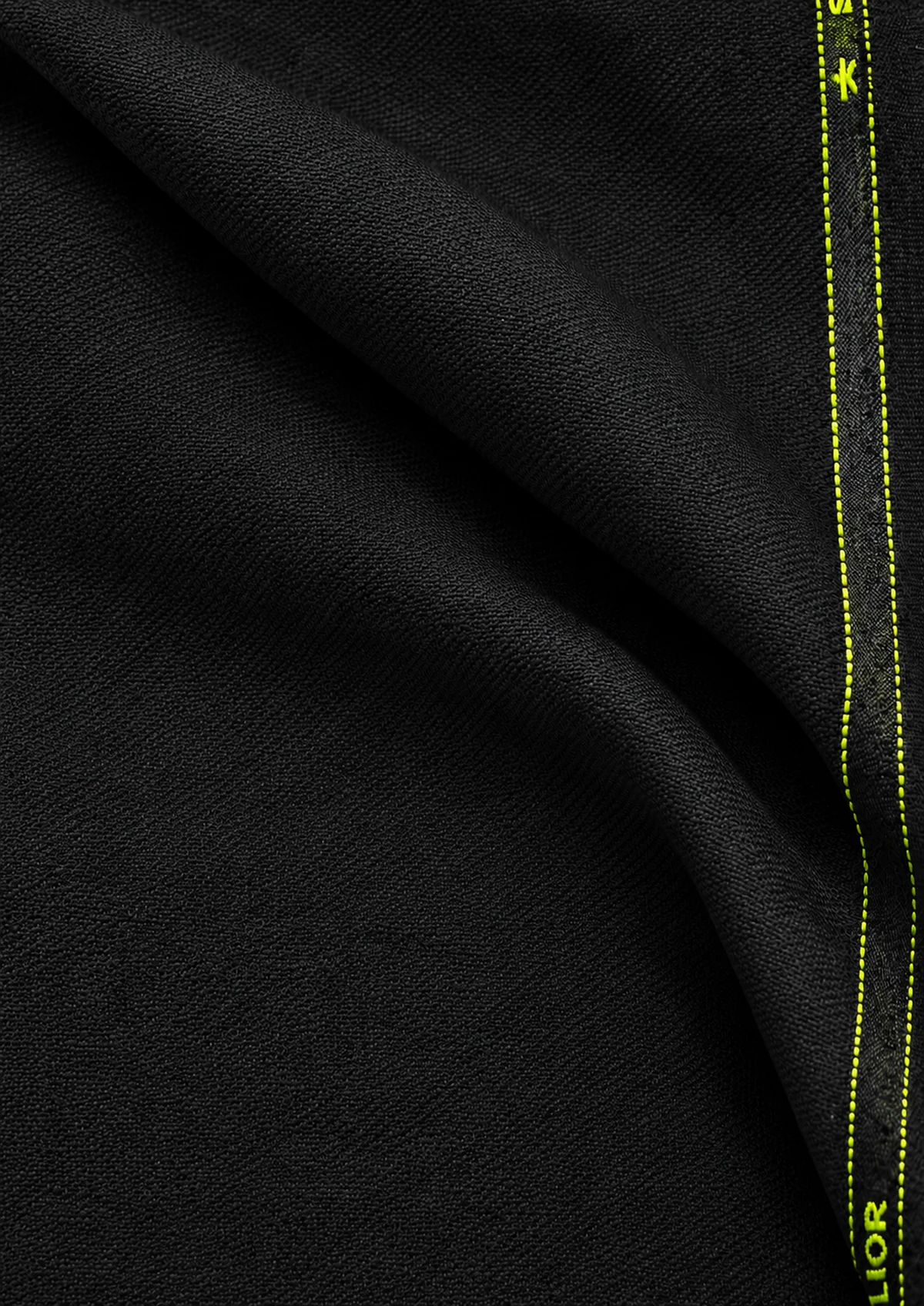
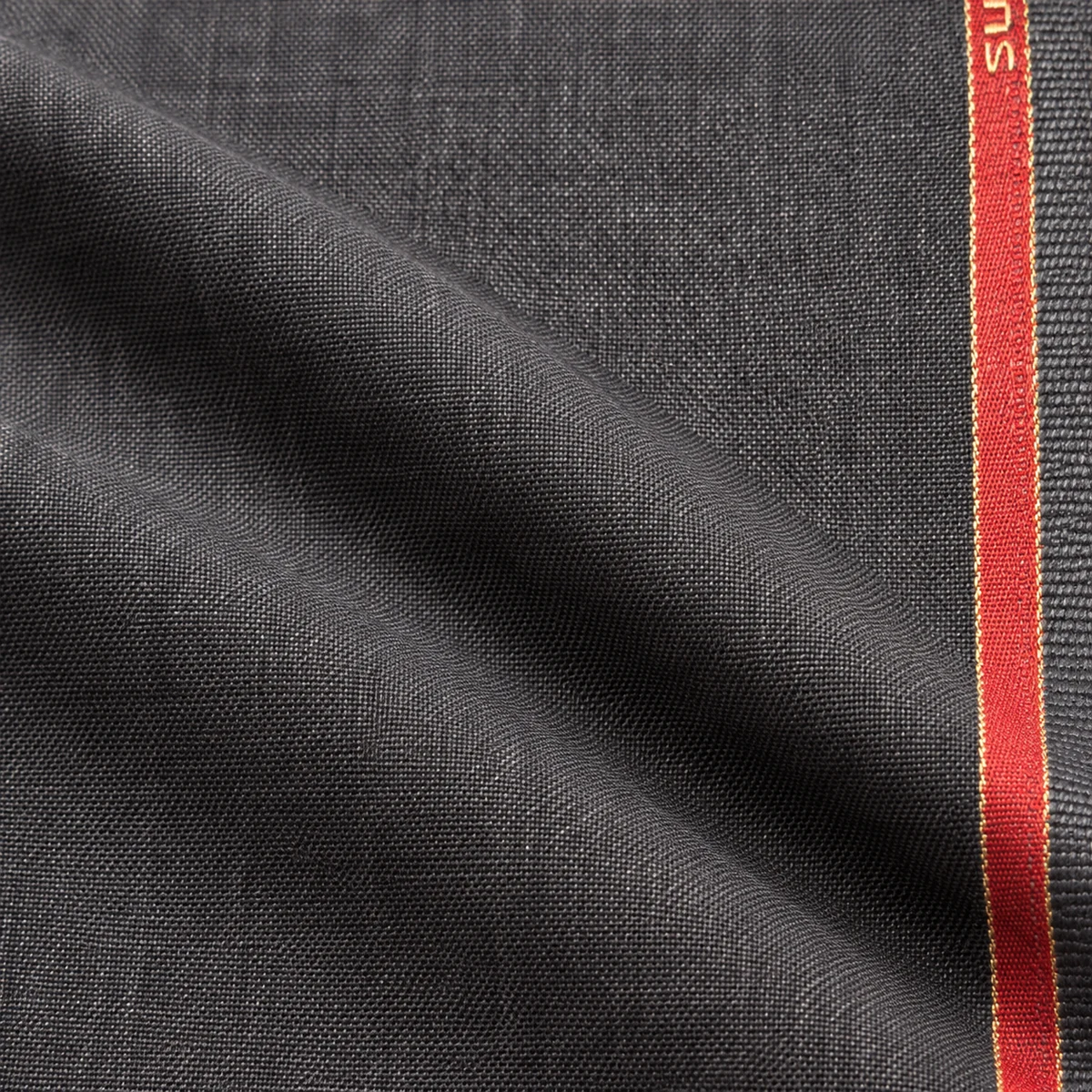
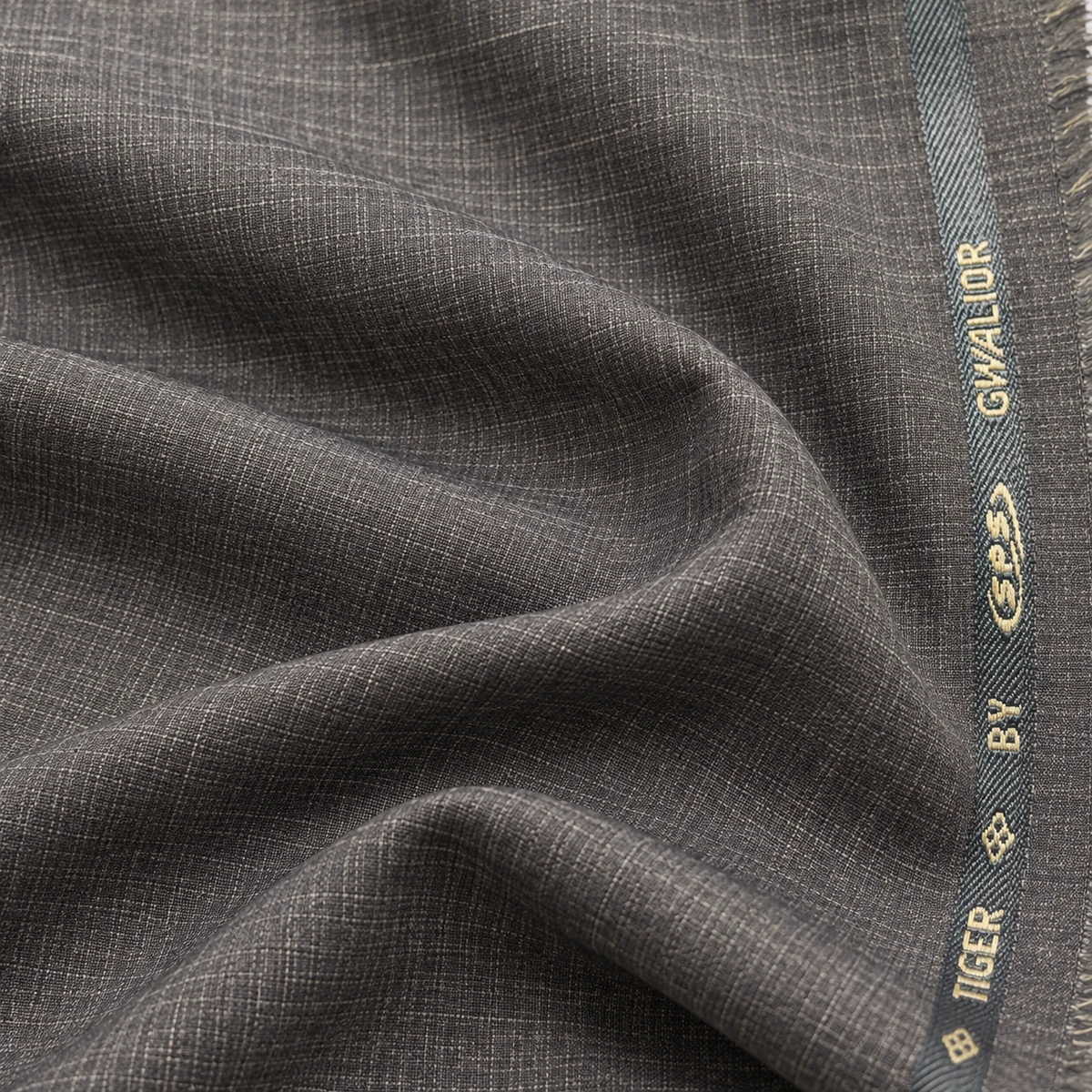
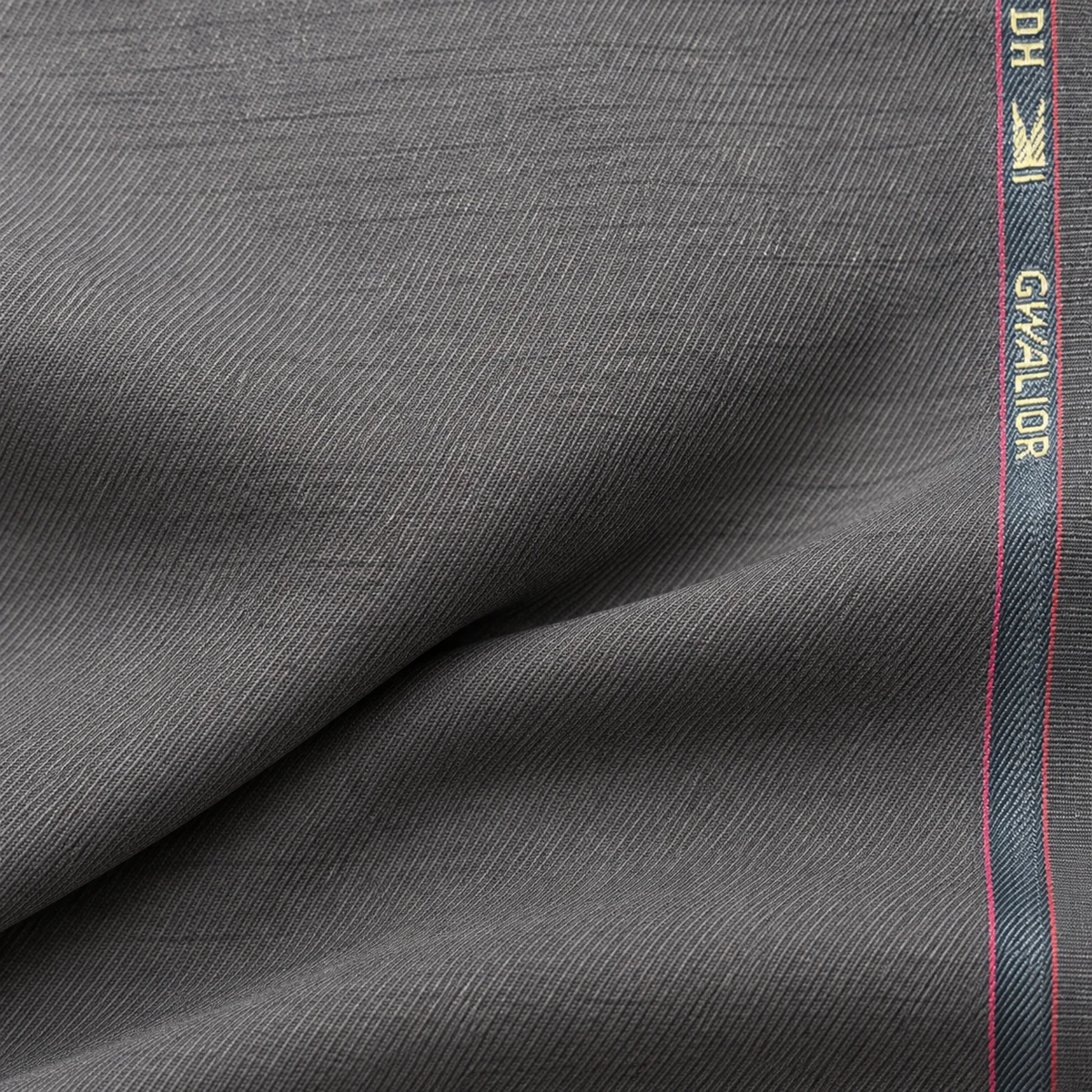
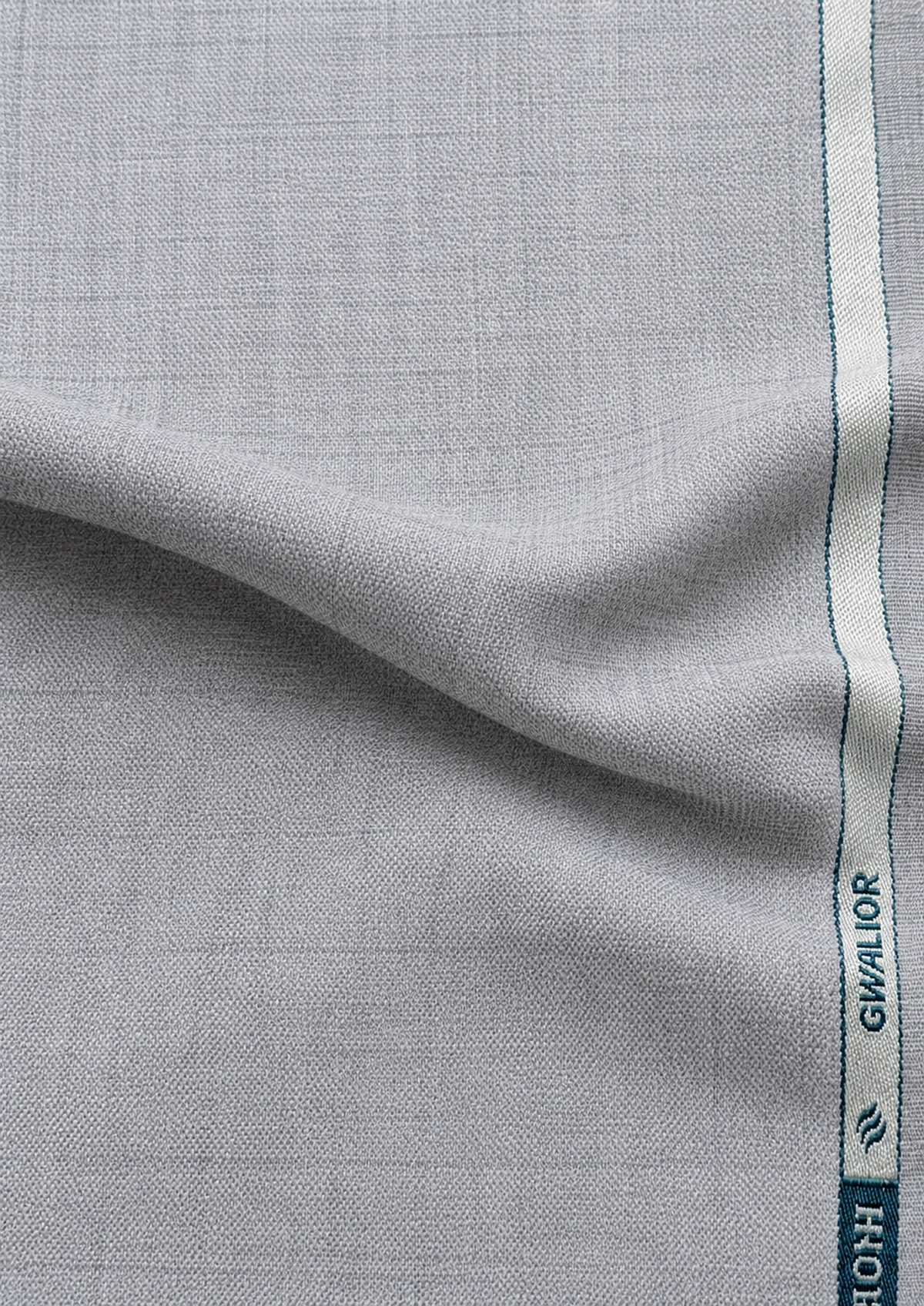
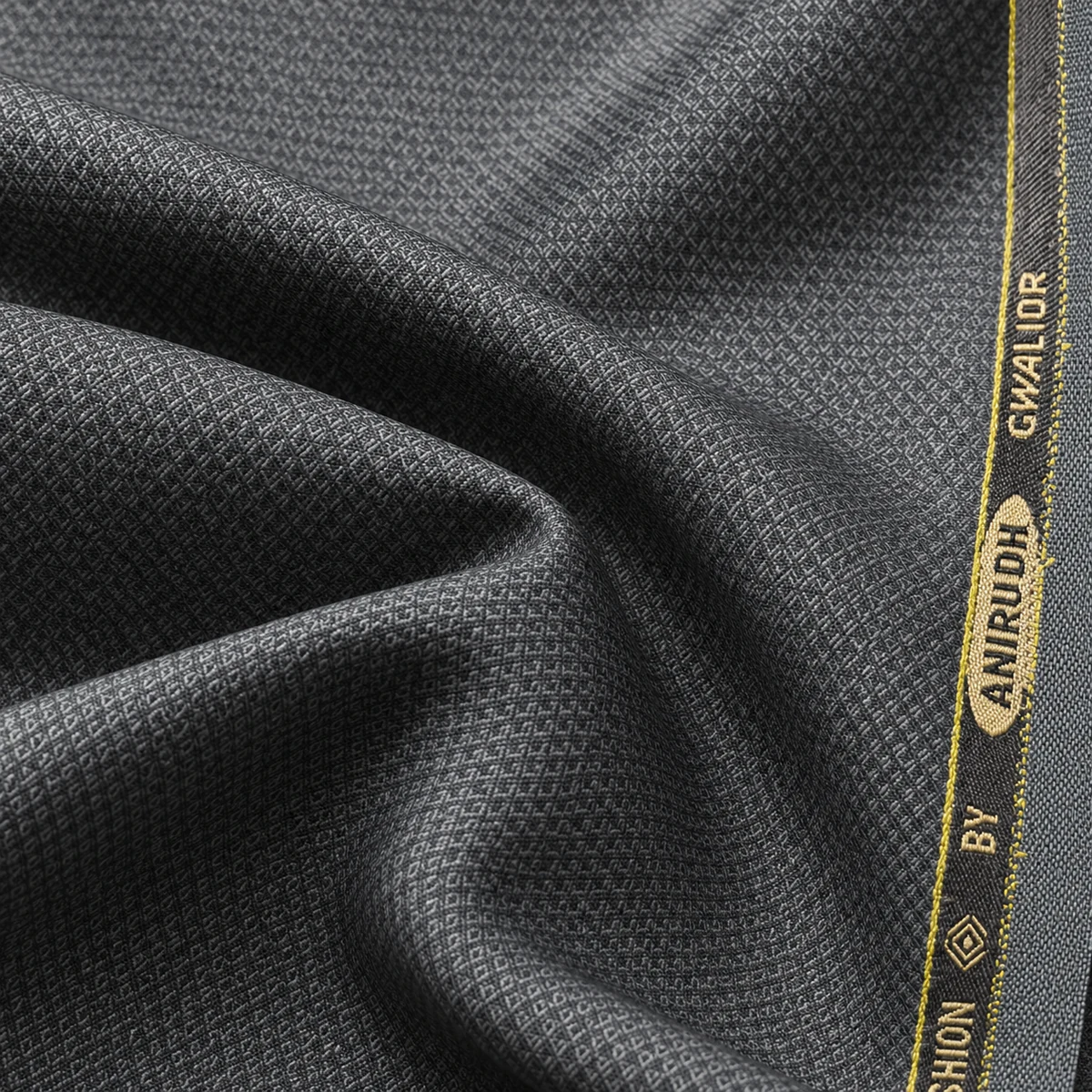
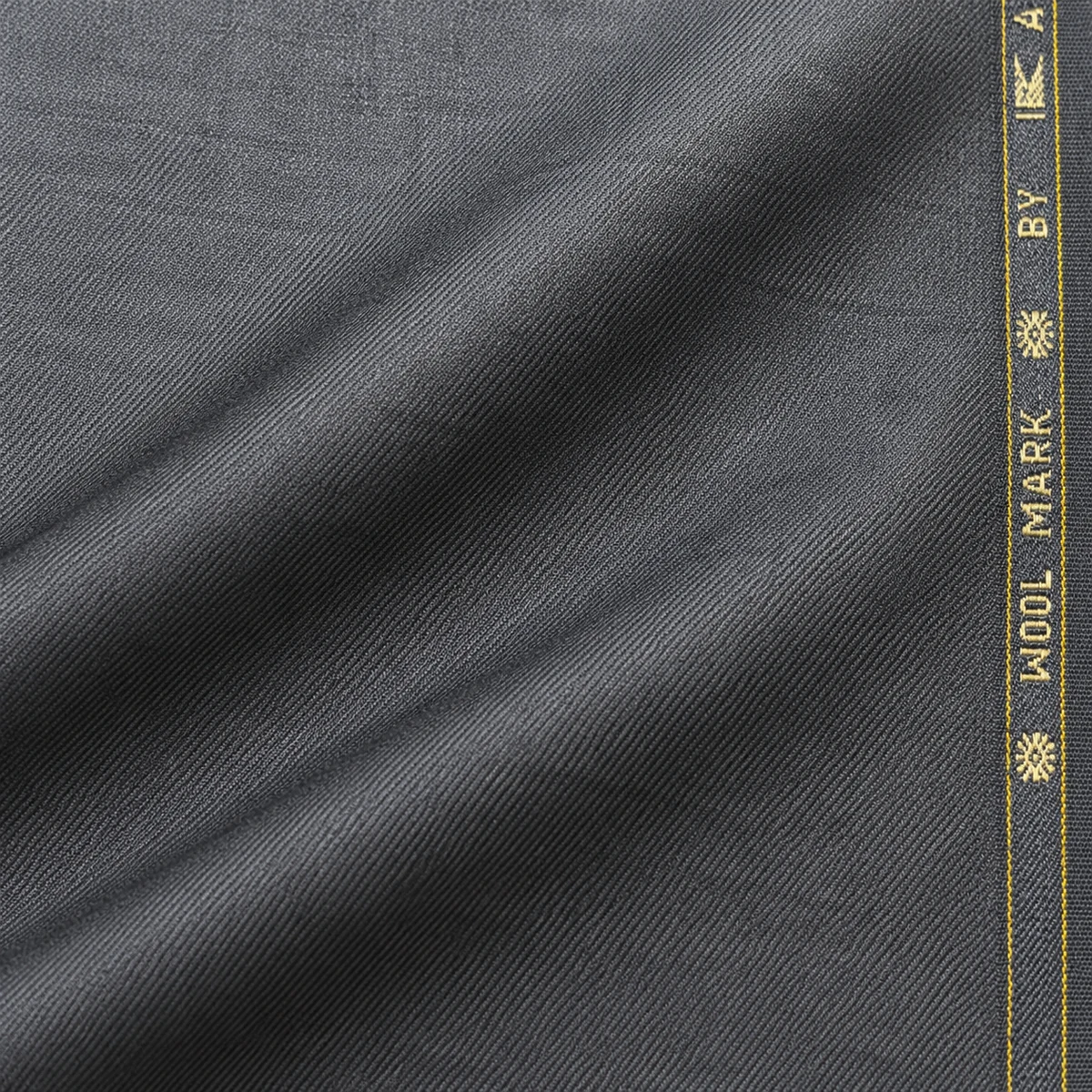
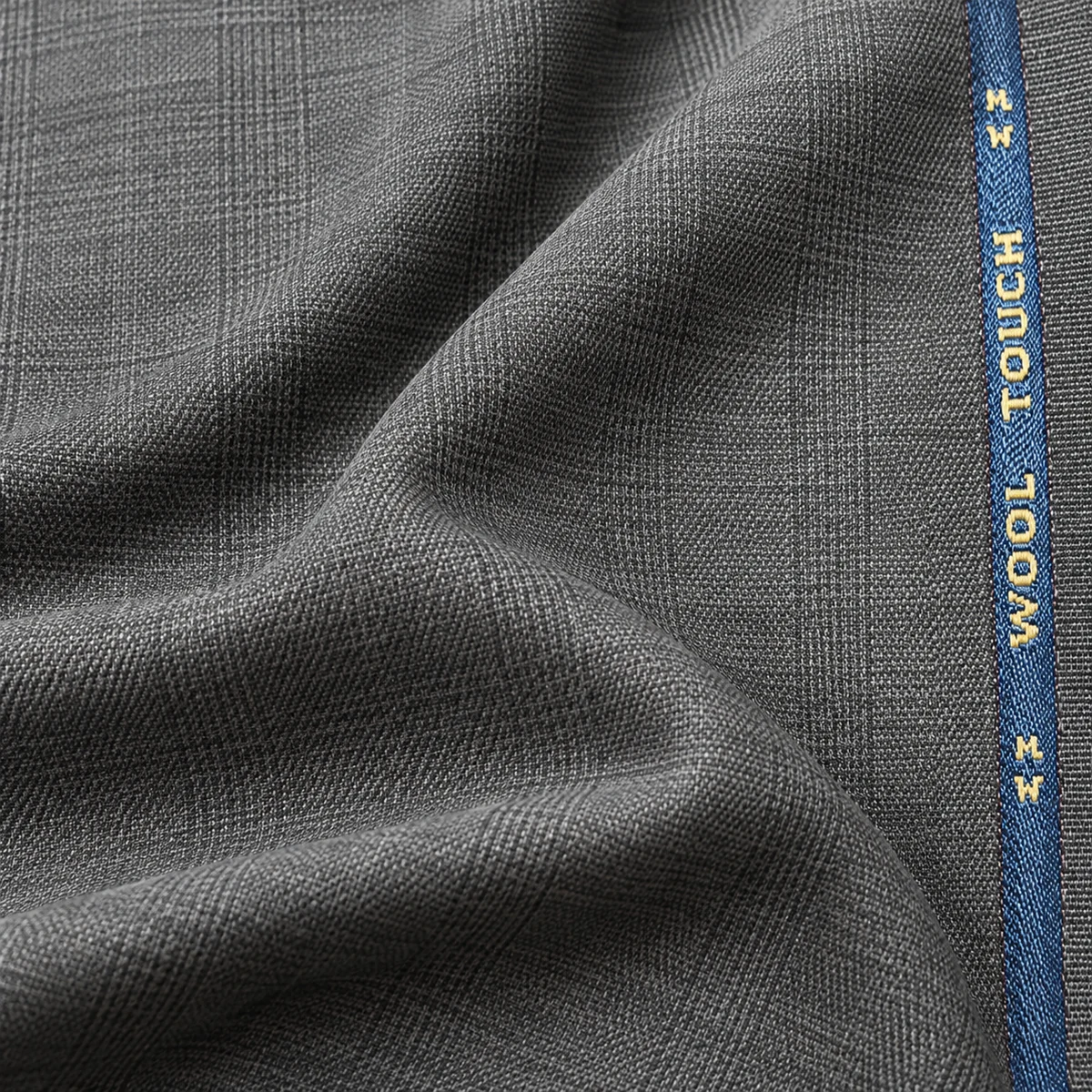
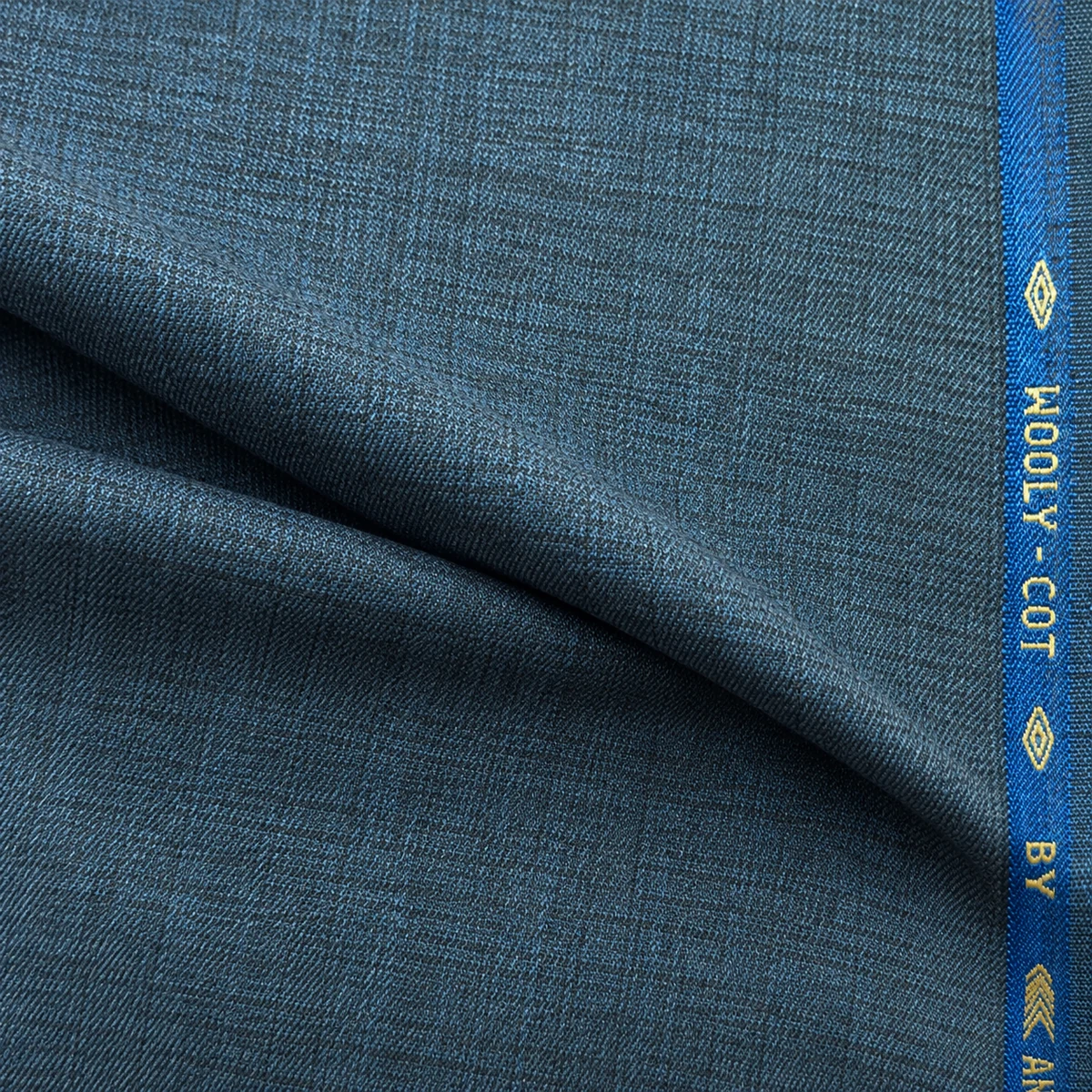
In our catalogue, PV fabrics are offered for suiting and shirting. A quality name is a collection reference: names containing “wool” or “silk” are not a fibre declaration. Confirm the written composition for that quality before making a garment label or a purchasing decision.
Is PV fabric for summer or winter?
The letters PV alone cannot tell you whether a cloth suits hot or cold weather. Compare the finished fabric’s weight, construction, finish and feel, then assess it in the garment and conditions where it will be worn. There is no single GSM threshold that makes every PV fabric a summer or winter fabric.
For a warm-weather trouser, inspect a full fabric sample for openness, opacity and handle, then trial it in your intended fit. For cooler conditions, compare heavier or more substantial candidates without assuming extra weight guarantees warmth. If air permeability or thermal performance is part of your specification, request the relevant test result for the finished fabric.
Our photographed source book is labelled Autumn Winter 2024. That is the collection edition, not a laboratory claim about every quality’s temperature performance or a promise of current stock.
PV, PC and stretch fabric: what changes?
| Term | Meaning | What to confirm |
|---|---|---|
| PV | Polyester and viscose | Each fibre percentage, GSM and construction |
| PC | Polyester and cotton | Blend percentages and finished-fabric performance |
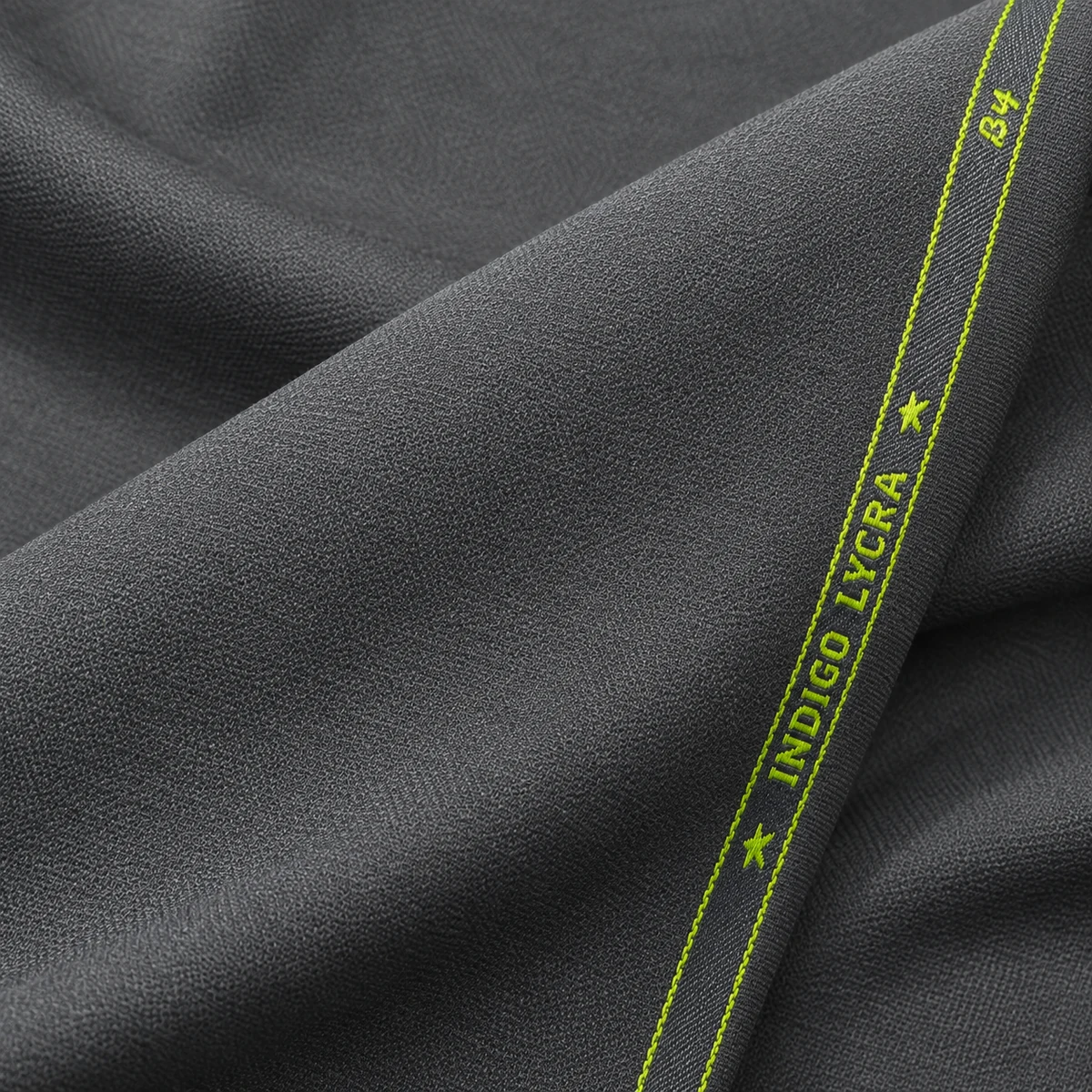
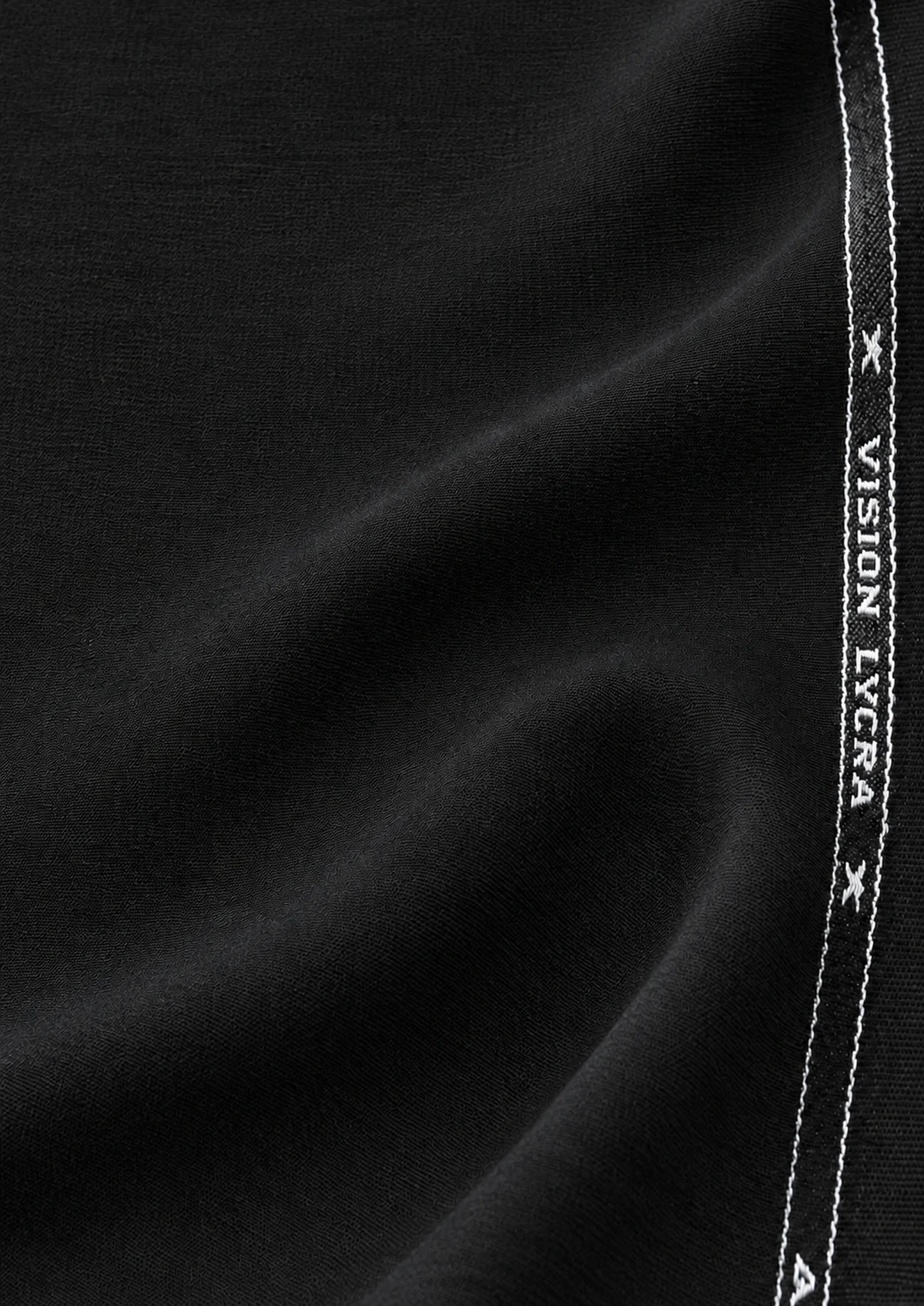
| Stretch / Lycra-labelled quality | A stretch-oriented collection description | Actual fibre declaration, stretch direction, extension and recovery |
PV and PC are not interchangeable specifications. Compare approved swatches and test requirements for your end use instead of choosing a winner from the abbreviation alone. If you need a stretch trouser, start with our Lycra-labelled collection and confirm the particular quality’s composition and behaviour.
How to compare PV fabric quotations
- Identify the cloth. Record the quality name, fibre percentages, weave and finish.
- Make the weight comparable. GSM is grams per square metre; grams per running metre also depends on width. Use our fabric-weight calculator to convert units.
- Approve the shade. Keep the physical shade reference and agree the approval process for bulk supply.
- Confirm the commercial basis. Ask for the price unit, usable width, quantity, taxes, freight and delivery terms in the quotation.
There is no universal PV price per metre. Composition, construction, finish and order terms need to match before two prices are comparable. If a quote is per than or roll, confirm its length and the basis of billing.
Does PV fabric shrink, pill or need dry cleaning?
A fibre abbreviation is not a care instruction or a test report. Ask for dimensional-change, pilling and colourfastness requirements to be agreed for your use, and confirm the care instructions for the finished fabric and garment. Do not assume “shrink-free” or a washing temperature from the name PV.
Use the sample-approval checklist to put these questions into one specification. For sourcing directly from us, see PV fabric manufacturing in India or our Bhilwara contact and sourcing details.
Prepared by Anirudh Synthetics · 14 September 2026. Fibre definitions are sourced above; selection steps are a practical buying checklist, not test results for the catalogue.